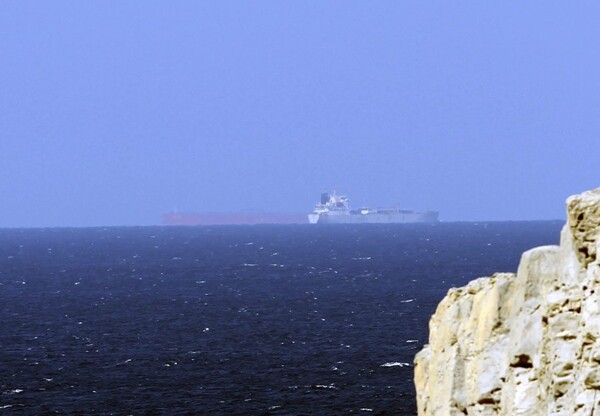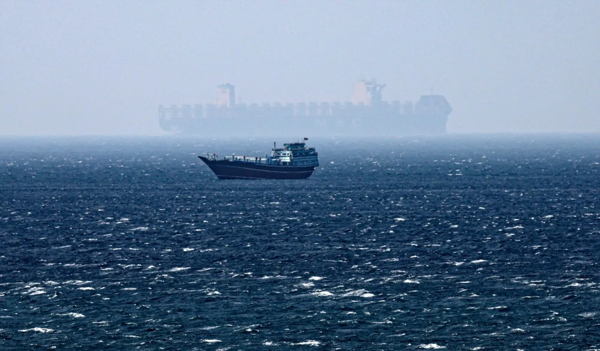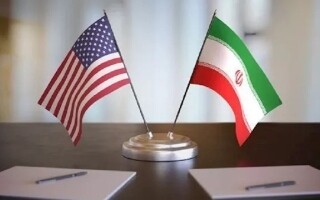
The United States and Israel had previously demanded restrictions on Iran's ballistic missile program and an end to Tehran's support for its armed group allies, such as Hezbollah in Lebanon or the Houthis in Yemen. Neither of these was mentioned in the Iranian ten-point plan. - Uranium enrichment Washington justified its push for war by accusing Tehran of being on the verge of manufacturing a nuclear weapon, a claim that the International Atomic Energy Agency did not confirm and that Iran vehemently denied. Iran defends its right to peaceful nuclear energy, particularly for power generation purposes, but Donald Trump repeated on Wednesday that there would be "no enrichment at all." He also proposed a solution for recovering and removing Iran's stockpile of more than 400 kg of highly enriched uranium, which was targeted by American strikes in June 2025. The two countries will work together to "extract and remove it," which he described as "nuclear dust." Trump confirmed to AFP on Tuesday that this issue has been "settled completely." He added, "Otherwise, I wouldn't have agreed to a deal." The United States and Iran have agreed to a ceasefire, scheduled to begin on Friday in Pakistan, where negotiations aimed at reaching a permanent agreement will commence. However, key points of disagreement remain. Tehran presented a ten-point plan to be the main axes of negotiations, which includes positions that Washington had previously rejected. Below are the main points up for discussion. - Sovereignty over the Strait of Hormuz Following the war launched by the United States and Israel on February 28 of last year, Iran almost completely closed the Strait of Hormuz, a through which a portion of the world's oil, gas, and fertilizers passes, destabilizing the global economy. Tehran agreed to temporarily reopen the sea lane, which American President Donald Trump considered a victory for him, but in return, it demanded that it be under its sovereignty. It is unknown how Iranian sovereignty over the strait would be practically applied. In recent days, Iran and Oman, which also overlooks this maritime passage and played a mediating role between Washington and Tehran, announced that they had held talks to develop a peacetime protocol to oversee navigation through this strait. Washington and Tehran also announced that they are studying a plan to impose transit fees. According to an Iranian diplomatic source, the new mechanism provides for a right of passage regulated in partnership with Oman, which has not commented on the matter. Except for Omani oil tankers, vessels passing through the strait in recent days have been following a specific route set by Iran, off its coast near Larak Island. This route was named by the data company Lloyd's List as the "Toll Relief Point in Tehran." Before the ceasefire, Tehran had announced that it was preparing new operational conditions for this vital passage. Iran's Islamic Revolutionary Guard Corps asserts that the strait "will never return to its previous state, especially regarding the United States and Israel." - Sanctions relief Iran demands the lifting of heavy sanctions imposed on it. Donald Trump reimposed them during his first term after the United States withdrew in 2018 from the historic nuclear agreement signed in 2015 with Iran. The previous agreement stipulated sanctions relief in exchange for strict limits on uranium enrichment and enhanced monitoring of the country's facilities. These punitive measures are suffocating the Iranian economy, which is in a state of recession, which was the spark for protests that were violently suppressed by the authorities in January. At the time, the American president had promised to provide assistance to the protesters and affirmed that the war would lead to the downfall of the Islamic Republic. However, neither of these two topics is on the negotiation agenda.