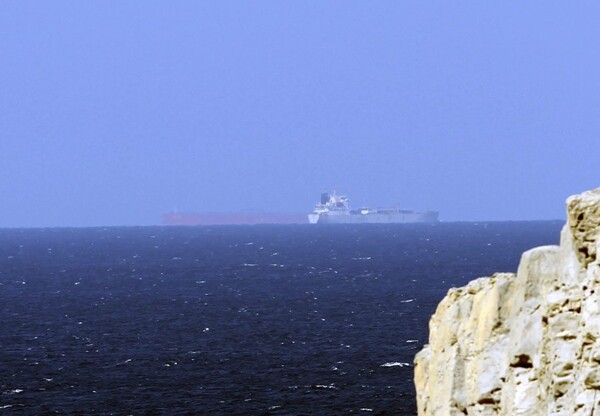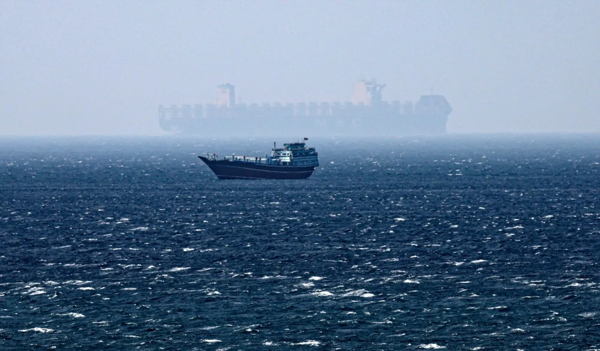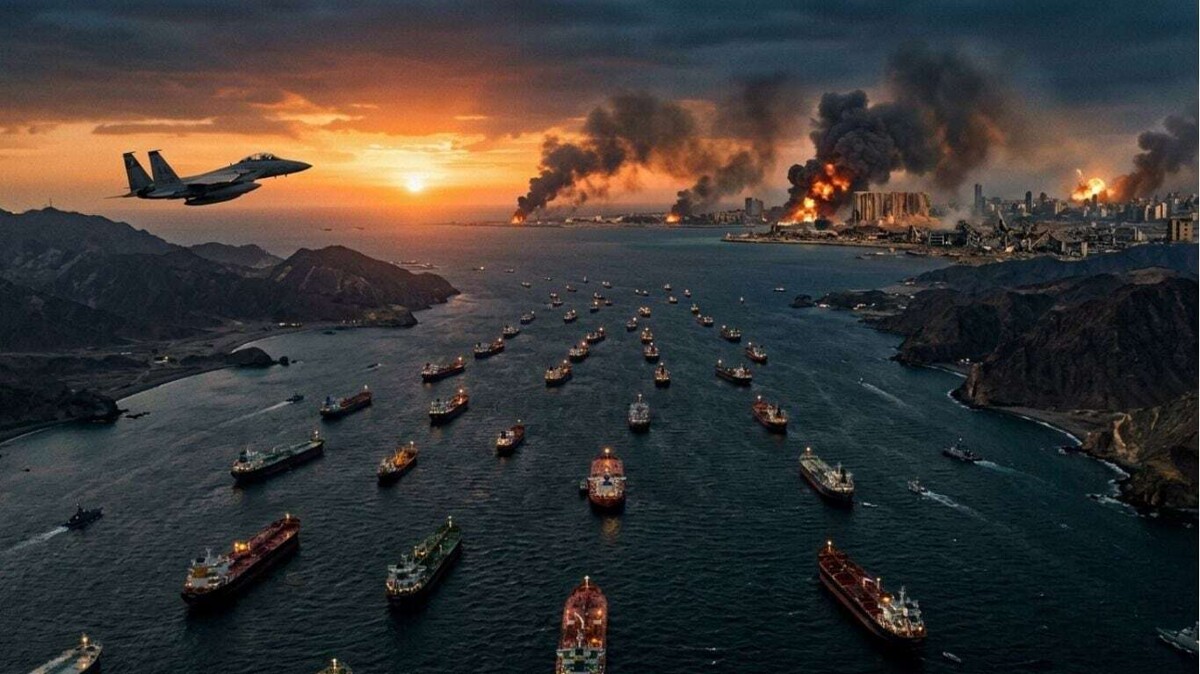
The Strait of Hormuz, one of the key points for global energy trade, came under tension again after Iran announced the total suspension of oil tanker passage, just days after an apparent truce in the region. The decision, confirmed by the Fars agency—linked to the Revolutionary Guard—marks a new turn in the Middle East crisis, with direct implications for the global oil market and geopolitical balance. Why did Iran close the Strait of Hormuz again? According to Iranian authorities, the closure is a response to a combination of military and strategic factors. The Khatam al-Anbiya Central Headquarters warned that they will exercise 'intelligent control' over the strait and issued a direct threat: they will respond 'destructively' if Israeli attacks in the region continue. The immediate trigger was a series of previous incidents, including attacks attributed to Iran against Qatar's liquefied natural gas tankers, which temporarily affected about 17% of that country's export capacity. This scenario heightened tension in the Persian Gulf and set off international market alarms due to the importance of Hormuz as a key route for oil transit. Military escalation and international tension. The closure occurs in parallel with a significant military escalation in Lebanon, where Israel launched a coordinated attack on Hezbollah positions, considered one of the most intense in the country's recent history. Furthermore, the situation is complicated by a clash of stances over the truce pushed by Pakistan. While the United States, led by Donald Trump, insists that the agreement does not include the Lebanese front, Iran asserts that the ceasefire must be comprehensive. This is compounded by a new source of pressure: the Pentagon has demanded Tehran deliver its enriched uranium, warning it could be 'neutralized' if there is no cooperation, introducing a nuclear risk amid the crisis. After the initial truce announcement, oil prices had shown a slight drop; however, the new blockade at the Strait of Hormuz brought uncertainty back to the markets.