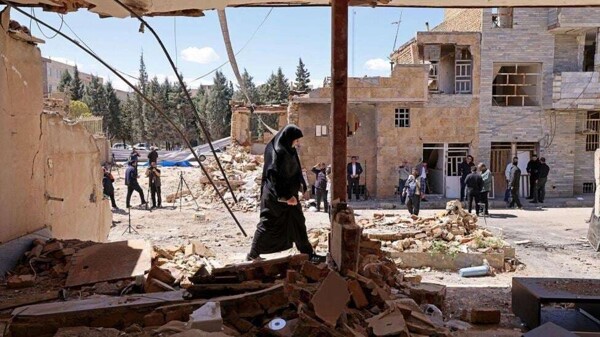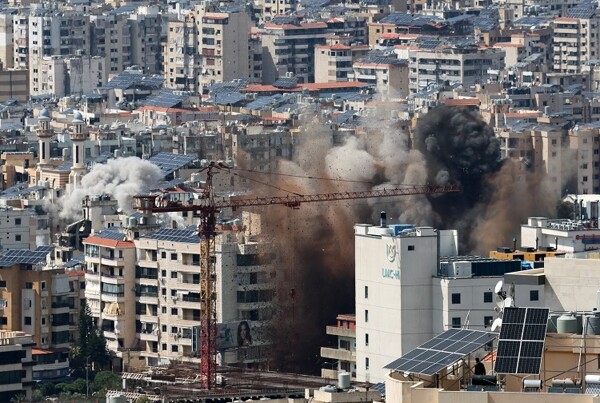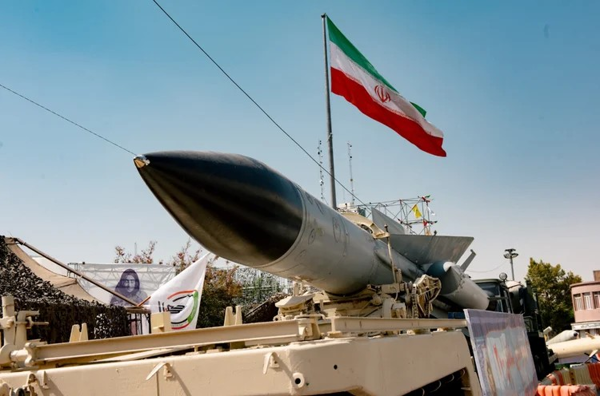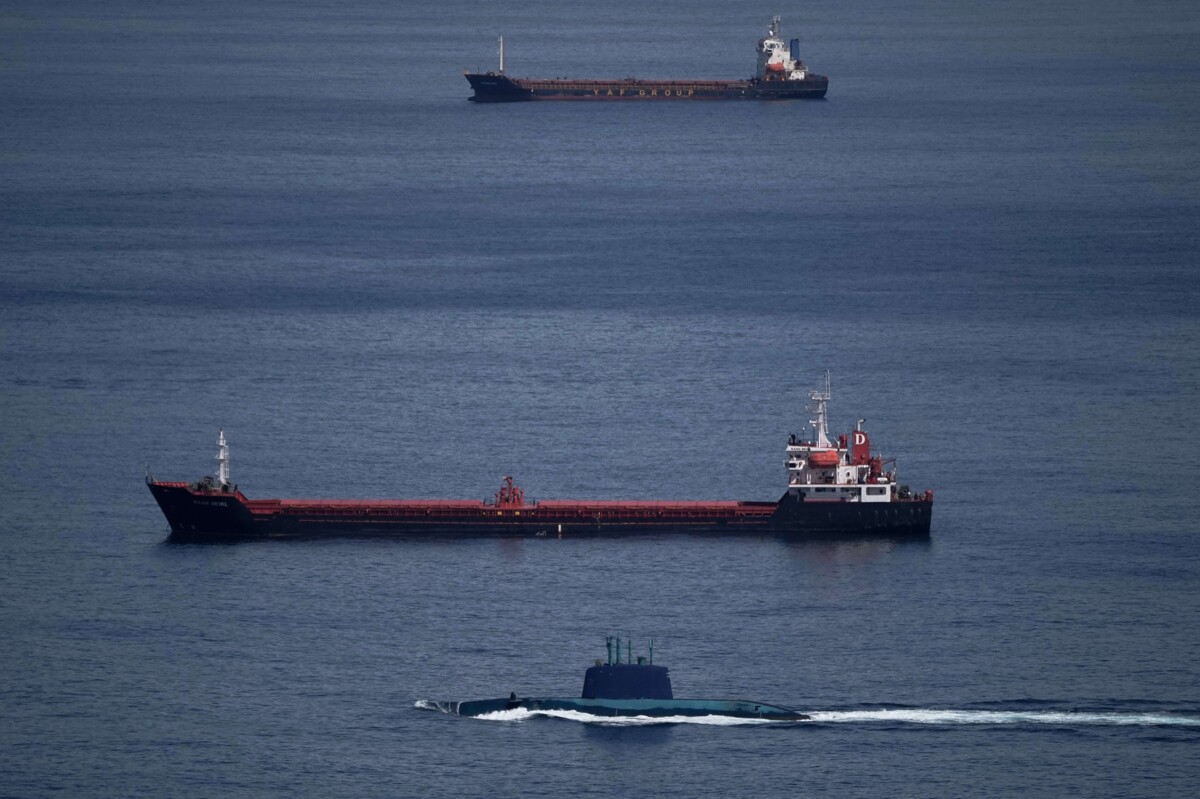
At least nine ships transited the strategic Strait of Hormuz on Thursday, compared to the five recorded the previous day, the first day of a ceasefire between the United States and Iran, reported the maritime monitoring platform MarineTraffic on Friday. “On April 9, the number of vessels crossing the strait increased to nine daily, up from five the day before, but traffic remains far below what would indicate a general normalization,” MarineTraffic said in an analysis published on its website. The platform indicated that “the operational environment appears virtually unchanged, with movements still limited to authorized passages under strict control measures, rather than a full reopening driven by the ceasefire,” which came into effect on Wednesday and was conditional on the resumption of traffic through the strait. According to MarineTraffic, of the ships that transited Hormuz the previous day, five were authorized and two belonged to the reserve fleet, noting that “most of the voyages carried bulk cargo and DPP (petroleum products).” What do we know about vessel crossings through the Strait of Hormuz? Similarly, the platform concluded that directional flows remained “relatively balanced, with a slight tendency towards west-to-east movements” across the strait, that is, out of the Persian Gulf. “It is likely that most market participants will remain on hold, awaiting clearer evidence that passage through the Strait of Hormuz can remain safe and predictable, and that the political situation remains intact,” it added in its analysis. However, it pointed out that the recent increase in crossings may be due to “selective operational flexibility” and not a general return of traffic. U.S. President Donald Trump denounced on social networks that Iran is doing a “very poor job” of letting oil tankers pass through the Strait of Hormuz and that this is not what Washington and Tehran agreed upon last Tuesday when declaring a two-week ceasefire. Over 2 million displaced by war in Iran: UN Up to 1.6 million women in Iran and some 620,000 in Lebanon have left their homes due to the regional conflict that began on February 28, reported UN Women on Friday. According to local authorities, at least 204 women died in attacks in Iran, including 168 girls in the attack on the school in Minab, and 102 in Lebanon, the latter figure not yet including victims of the intense bombings on April 8, stated UN Women spokesperson Sofia Calltorp at a press conference. Deaths of women were also reported in other countries in the region, including Bahrain, Iraq, Israel, Kuwait, and the United Arab Emirates, as well as in the Occupied Palestinian Territories, she added. On the other hand, 24 women and girls in the region are at risk of food insecurity due to rising prices and disruptions in supply chains.