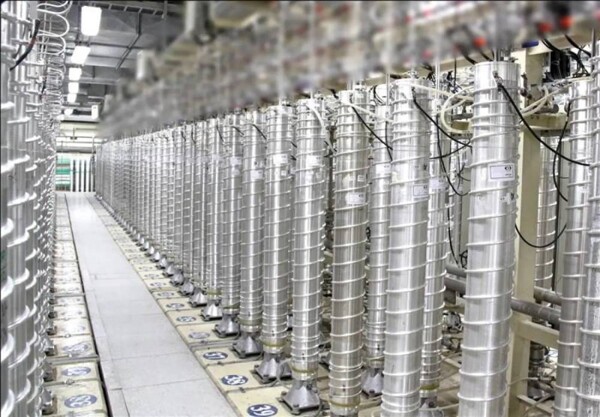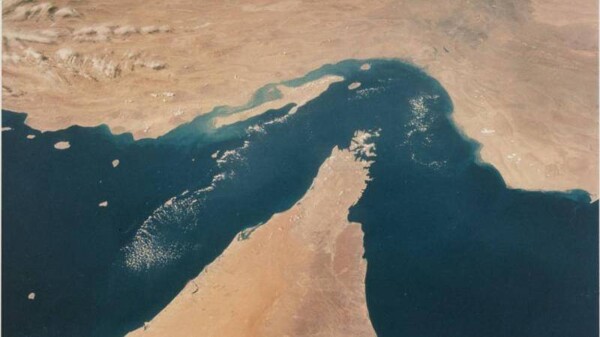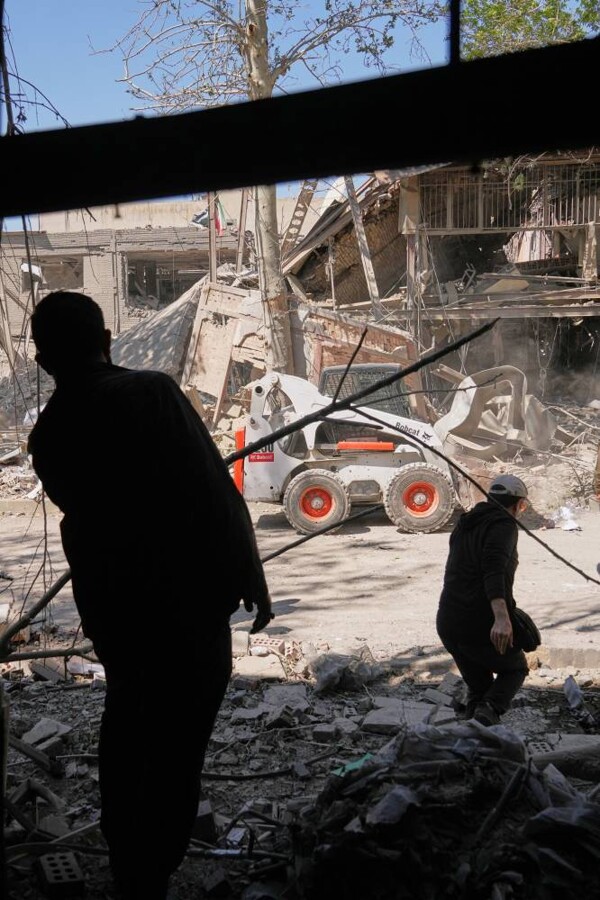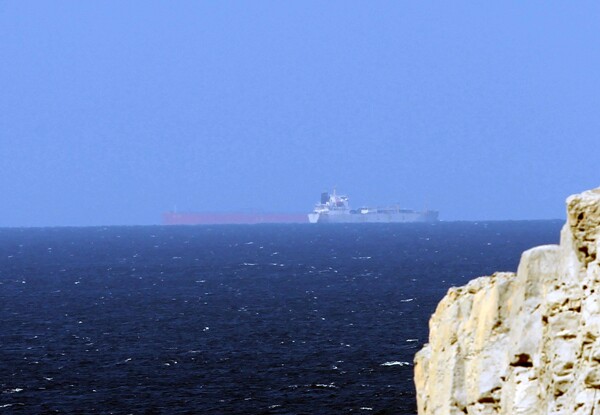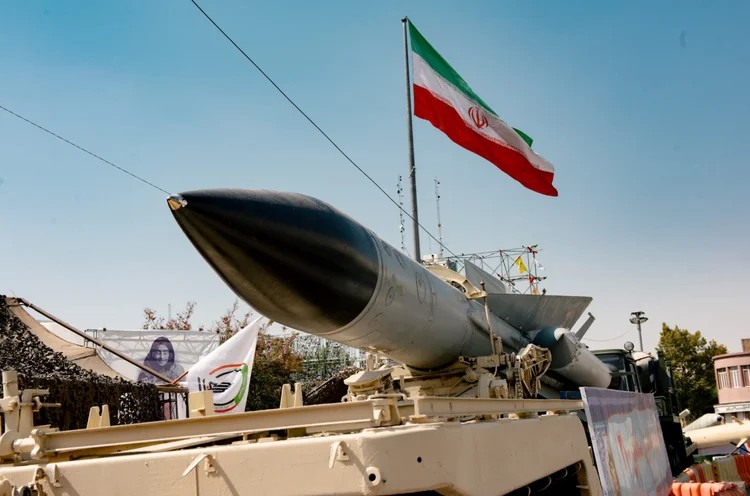
Dubai, April 9, 2026 - Total News Agency (TNA) - The fragile ceasefire that Washington and Tehran have tried to maintain for less than 48 hours has entered a critical zone again this Thursday, after Iran rejected any limits on its uranium enrichment program and warned of "strong responses" if Israel maintains its offensive in Lebanon. The last hours were marked by massive Israeli attacks on Lebanese territory, with death tolls ranging from the high tens to over 250, according to various official updates and agency reports, and with open condemnations from the UN and France, who demanded that Lebanon be explicitly included in the ceasefire. In this context, Masoud Pezeshkian stated on Thursday that the talks lose their meaning if Israeli bombardments of Lebanon continue, while the Speaker of the Iranian Parliament, Mohammad Bagher Qalibaf, further hardened the tone by warning that ceasefire violations will be met with "explicit and strong responses." On the Israeli side, there were no signs of a retreat. This dispute over interpretation left the agreement hanging by a thread. The message was not minor. According to IAEA estimates cited by Reuters, before the 2025 attacks, Iran had 440.9 kg of uranium enriched to 60%, a quantity that, if further refined, would theoretically be enough for around ten nuclear weapons. The government of Benjamin Netanyahu confirmed that it will continue to strike Hezbollah with "force, precision, and determination," and the military even announced on Thursday that it had eliminated Naim Qassem, the head of the organization, a claim that had not yet been confirmed by the militia itself at the time of this report's filing. As if that were not enough, the Strait of Hormuz remains semi-paralyzed and has once again become a tool of pressure for the Iranian regime. Reuters reported that maritime traffic remains virtually at a standstill, with an infinitesimal volume of ships crossing a route where, before the war, around 140 vessels passed per day.