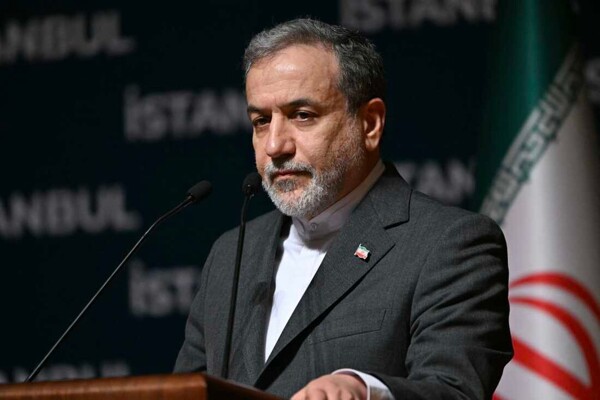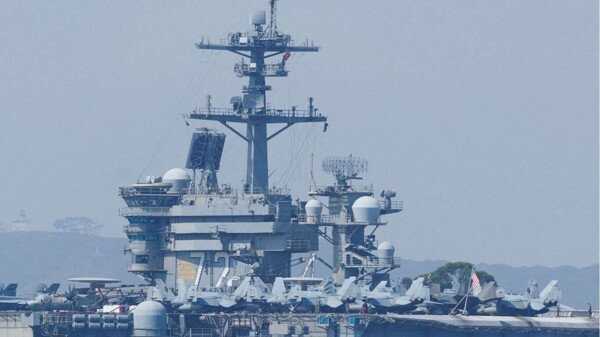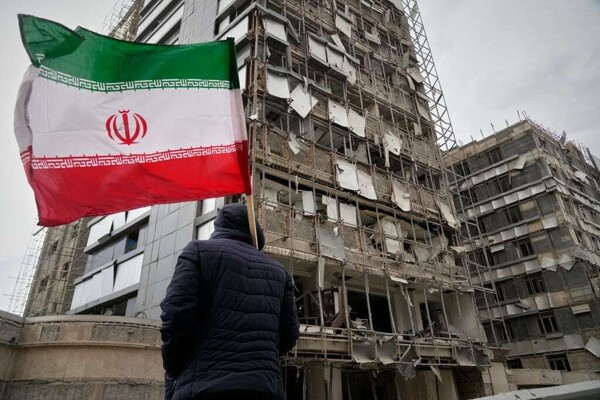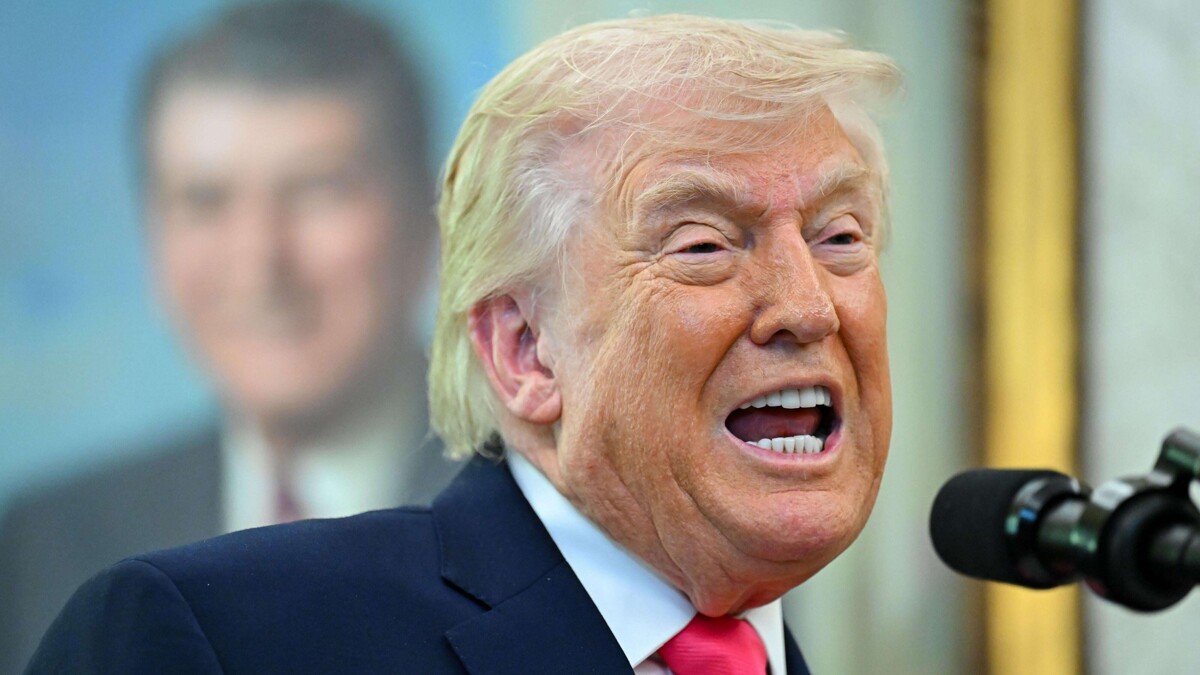
The Iranian government has emphasized that it is not part of any ongoing process to reach an agreement with the U.S. to end a conflict that is entering its fourth week and putting enormous pressure on the global economy. “Iran will end the war when it decides to and when its own conditions are met,” Iran's official Press TV television revealed, citing a “senior official in political and security affairs.” The Islamic Republic has set its own five requirements for establishing negotiations with Washington. Despite the rejection, Iran, as an Iranian official acknowledged to Reuters, is still analyzing the U.S. proposal, which it considers “excessive.” Publicly, Iran has so far refused to engage in talks with the U.S., but on Wednesday, it acknowledged that its country had received a U.S. negotiation proposal through Pakistan, and that both Pakistan and Turkey could be venues for negotiations to ease tension in the Gulf. The more the White House tells the world that Iran is desperate to reach a deal, the less willing Iran is to do so. “Not now, not ever,” said the spokesman for Iran's Khatam al-Anbiya Headquarters, the country's main military command. “Do not call your defeat an agreement,” he concluded. On Tuesday, however, Trump stated that Iran “is eager to reach a deal,” and that both Vice President JD Vance and Secretary of State Marco Rubio were involved in the negotiations. According to the president, Iranian negotiators had conceded to the U.S. “They made us a very big gift, a gift of a very large amount of money,” he said, without giving specific details. Analysis by Frank Gardner, BBC Security Correspondent, from Doha: When one side, the United States, says there are ongoing negotiations and the other, Iran, says “no, there aren't,” who do you believe? Here in Qatar, a country that maintains a close defense and security alliance with the U.S., they say they “speak with the Americans every day.” However, this is not a guarantee that Tehran is willing to sit at the negotiating table. The persistence of the Iranian regime has emboldened its members and strengthened its demands. Now, they are seeking to maintain greater control over the vital Strait of Hormuz than they had before the conflict.