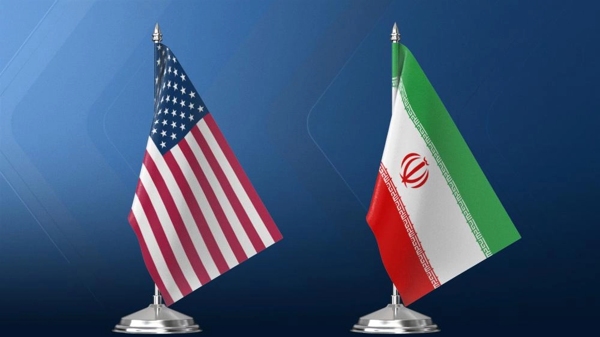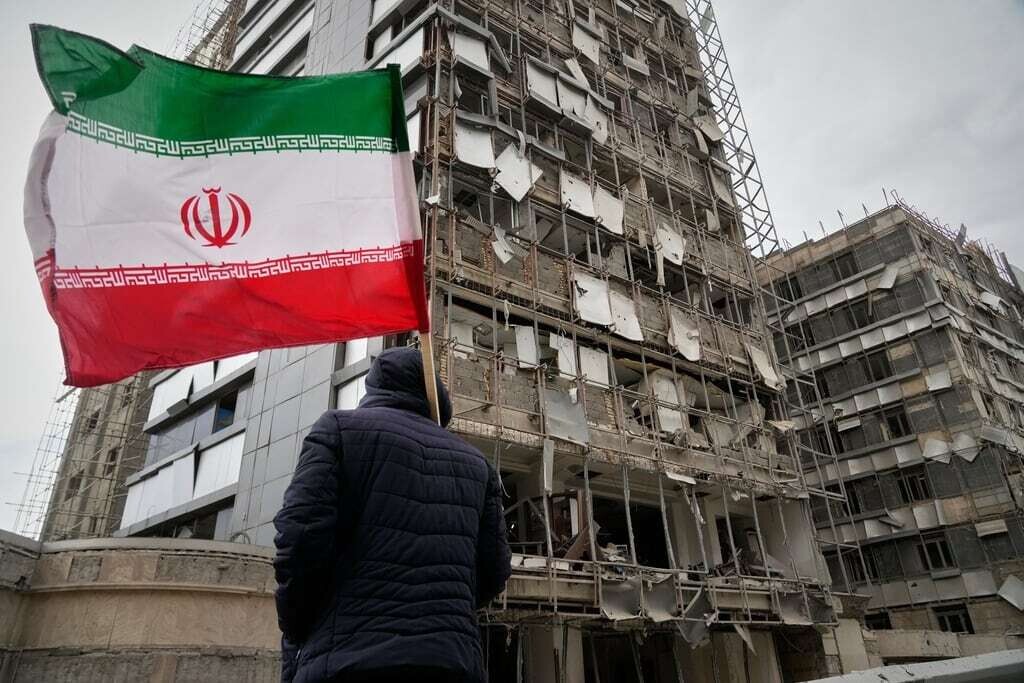
In response to these events, authorities consider that current conversations lack sufficient guarantees if aggressions on the ground are not stopped simultaneously. An Iranian government official stated that the determination on the end of the war belongs exclusively to their nation and does not respond to the deadlines or pressures of the Trump administration. BREAKING: State TV in Iran reports that Iran has communicated to the US, through mediators, that it rejects Trump's 15-point plan. "It would be foolishness to expect peace from these radical Islamists who dream of burying Jews in the Dead Sea," a tweet reads. "The conflict will end when Iran decides to end it," the source consulted under condition of anonymity emphasized. State Iranian media reported this Wednesday that authorities consider the list of conditions as an "excessive" document, completely detached from the operational reality on the combat front. The Iranian executive described the negotiation offer as a "deceptive" ploy, pointing to precedents where both the United States and Israel carried out military attacks against Iran while active diplomatic dialogues were underway. BREAKING: Iran has officially rejected the US peace proposal and sets five conditions for an end to the war. Iran's conditions include: 1. Immediate end to attacks and assassinations on Iran. 2. Establishment of "concrete guarantees" against future US attacks. 3. Clear and guaranteed payment for damages and war reparations. 4. End of the war on all fronts and for all resistance groups in the region. 5. International recognition and guarantees of Iran's sovereign right to exercise authority over the Strait of Hormuz. While these positions persist on the diplomatic plane, large-scale attacks against strategic points in Israel have been reported, intensifying the crisis and making a short-term ceasefire difficult. These are the five conditions under which Iran would agree to end the war: 1. A total cessation of aggression and killings by the enemy. 2. The establishment of concrete mechanisms that guarantee that war will not be imposed again on the Islamic Republic. 3. The guaranteed and clearly defined payment of damages and war reparations. 4. The conclusion of the war on all fronts and for all resistance groups in the region. 5. The recognition and international guarantees of the sovereign right of Iran to exercise authority over the Strait of Hormuz. International mediation, coordinated by countries such as Pakistan and Turkey, faces the complex task of reconciling two opposing visions on regional security. While the White House seeks inspections and technical limitations, Tehran demands respect for its sovereignty and economic security. The government of Iran officially declined the 15-point plan presented by Donald Trump with the objective of concluding hostilities. The rejection of the US plan returns tension to the military sphere, where troops remain on maximum alert awaiting a substantial change in the peace proposals. The public chain Press TV cited official sources that describe the American initiative as a proposal that ignores the current state of the confrontation. Distrust prevails in Tehran's response. According to the official record, these offensives occurred during June of last year and at the end of February 2026.