The White House responded that its forces are prepared to counter any attack, but the mere fact that Tehran has put major corporations in its crosshairs shows to what extent the war is no longer being fought only between states, but also over commercial, technological, and logistical infrastructure.
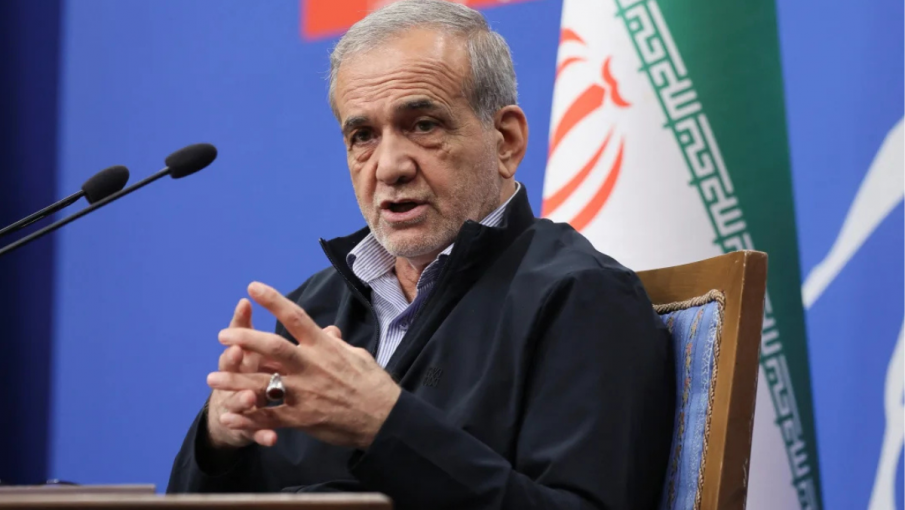
The Iranian message was clear: if it cannot balance the war on the conventional front, it will seek to increase the cost to American interests through other means. In parallel, Israel sent a signal opposite to the one some mediators are trying to convey for Iran. While Pezeshkian stated that Iran is willing to end the conflict if 'essential conditions' are met, Costa responded by demanding de-escalation, an end to Iranian attacks against countries in the region, and positive participation in the diplomatic path, especially to guarantee freedom of navigation in the Strait of Hormuz. This ambiguity is already being read as a desperate search for a political exit that does not appear to be a retreat.
The problem is that while diplomatic bridges are being hinted at, the conflict continues to expand its edges. This dual message quite well summarizes the European dilemma: they want the war to end, but are not willing to validate Iranian coercion as a new fait accompli. From Washington's side, however, the signal was much less conciliatory.
This is today's true picture of the conflict: a barely open diplomatic door, military pressure that does not let up, and a global economy hanging by an ever-thinner thread. Oil trimmed some of its gains after reports of Iran's willingness to end the war under guarantees became known, although March still closed with a historic jump in Brent prices amid the blockade of the Strait of Hormuz, attacks on ships, supply disruptions, and fear of a larger-scale energy crisis.
To this is added another explosive front: Israel's intention to establish a security zone in southern Lebanon up to the Litani River, with the destruction of homes and restrictions on the return of hundreds of thousands of displaced persons. This policy has already been read by Beirut and international actors as a grave affront to Lebanese sovereignty and an additional regional escalation.
The reaction of the markets showed that, even amidst the chaos, any word suggesting a truce still carries weight. Tehran, March 31, 2026 - Total News Agency - TNA -.