International security experts suggest that this event could trigger a response of unpredictable magnitude from the Tehran regime. From the United States, the situation indicates that this military deployment is not an isolated incursion, but the beginning of a prolonged campaign.
The head of state affirmed that the intense bombings "will continue uninterrupted throughout the week or for as long as necessary." According to Trump's words, the ultimate goal of this offensive is to achieve "Peace in the Middle East and, in fact, in the world," reinforcing the doctrine of direct intervention that has characterized his current term.
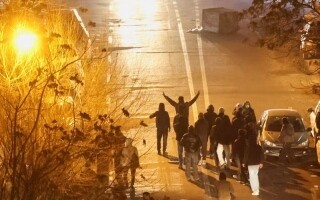
In Tehran, panic has seized sectors of the population as the air defense system attempts, with limited success, to intercept the state-of-the-art projectiles used by allied forces.
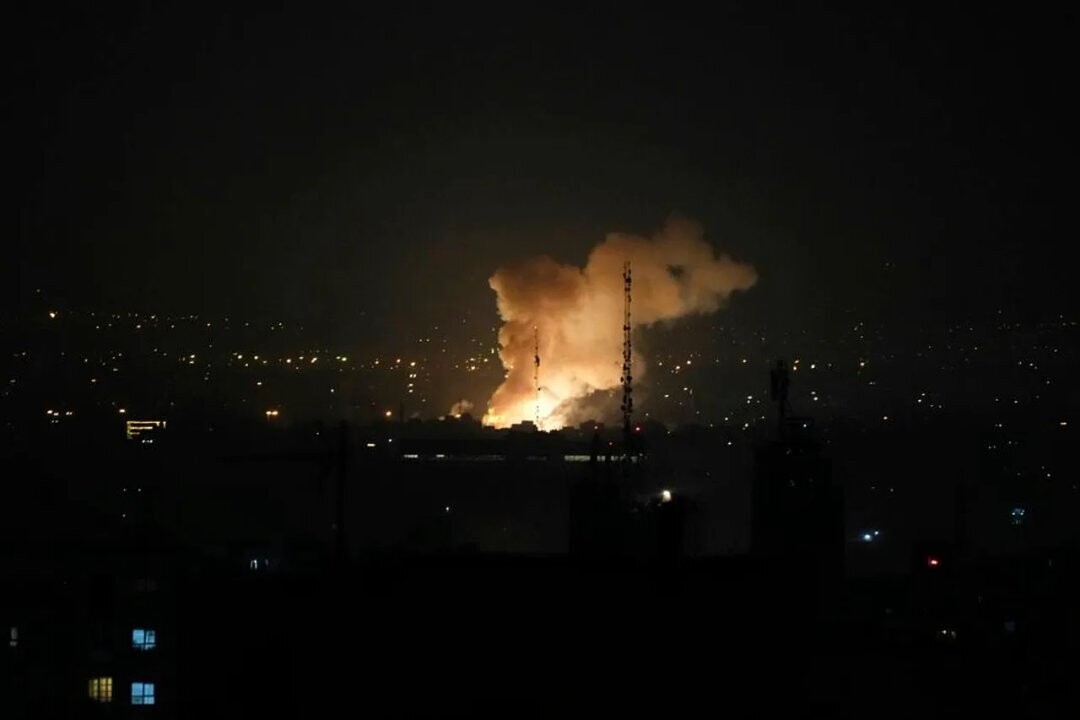
Buenos Aires, February 28 (NA) — On a day that marks a point of no return in the regional conflict, the Israeli Defense Forces (IDF) have announced the beginning of a second and more aggressive wave of coordinated aerial attacks against strategic targets in Iranian territory.
This new phase of the military operation targets the ballistic missile systems and air defense infrastructure of the Islamic Republic as its main objectives, while powerful explosions are reported at various points in the capital, Tehran, as reported by the Argentine News Agency.
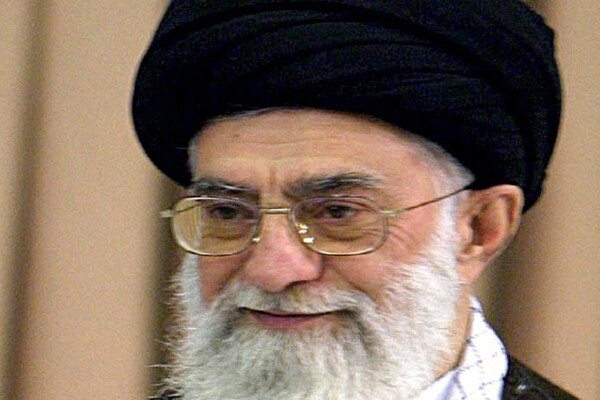
The situation has taken on a personal and symbolic dimension of extreme seriousness. According to reports from official Iranian media and international agencies, the joint bombings carried out by US and Israeli forces have caused the death of the daughter and grandson of Iran's Supreme Leader, Ayatollah Ali Khamenei. This event, which continues to send shockwaves through chancelleries worldwide, represents the most direct blow to the inner circle of the clerical leadership in decades.
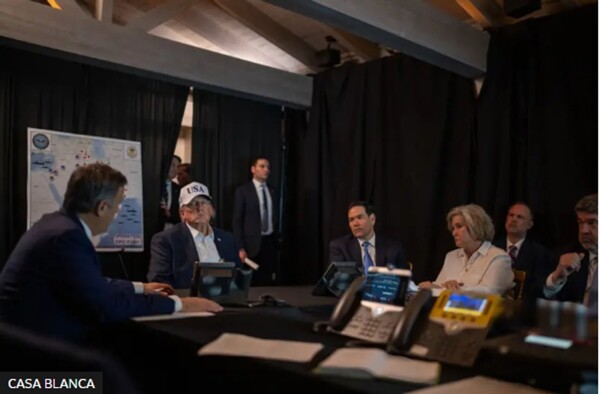
A high-ranking US official told Reuters that the attacks are expected to last for several days, seeking the total degradation of Iran's offensive capabilities. In turn, President Donald Trump has turned to his social media to state the official position of his administration with unusual forcefulness.
The disruption of communications and the closure of airspace in large parts of the region have created an information vacuum that local media are trying to cover under strict security conditions. The international community is watching this development with alarm, while crude oil prices have begun to show extreme volatility, and the United Nations has convened an emergency session that, for now, seems to lack influence on the ground in the face of the determination of the coalition led by Washington and Jerusalem.