Political Uncertainty in Iran: Who Will Succeed Ali Khamenei?
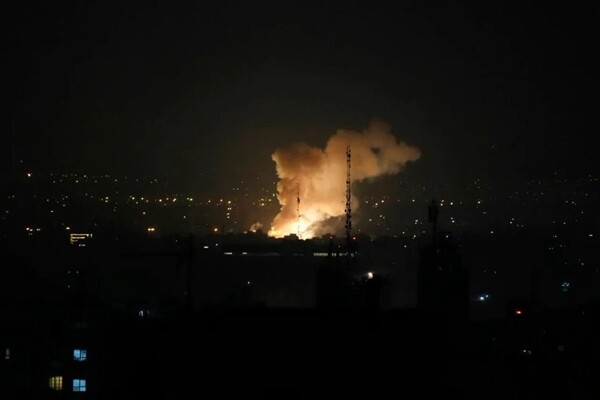
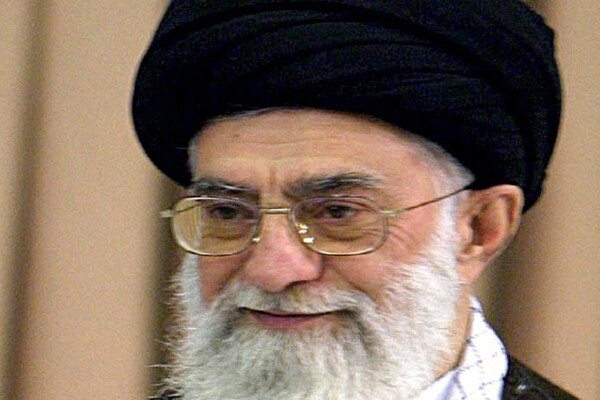
Buenos Aires, February 28 (NA) -- While the United States and Israel claim that Iran's Supreme Leader, Ali Khamenei, died in this Saturday's attacks, there have been no official reports from Tehran confirming or denying this version.
If his death is confirmed, the Islamic Republic would face a highly complex succession process, especially considering that Israel claims several high-ranking commanders also lost their lives in the bombings.
According to the Argentine News Agency, within the system of Velayat-e Faqih, the new leader must be a high-ranking cleric, as the doctrine states that supreme power must be exercised by a venerable Islamic jurist.
Khamenei never publicly designated a successor, and it is unclear who could take his position if his death is confirmed. Among the possible candidates, his son Mojtaba Khamenei has been mentioned, although his political future is uncertain. Another name that has emerged is that of Hassan Khomeini, the grandson of his predecessor, along with some older clerics within the religious establishment.
However, none of the potential successors possess the same authority or influence as Khamenei, which could hinder their ability to control powerful groups such as the Islamic Revolutionary Guard Corps or the country's main clerical councils, leaving open the possibility of significant internal tensions.