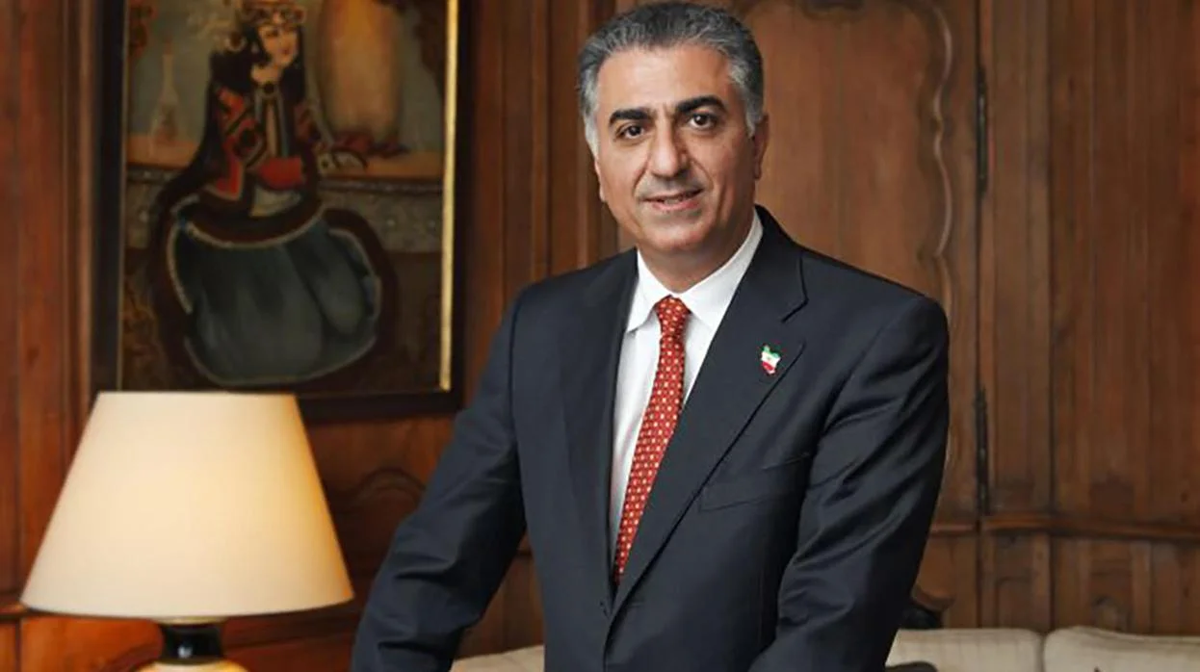
Tehran rejects these accusations and maintains that it acts in defense of national security. The combination of massive protests, internal fractures, and open calls for mobilization and civil disobedience places the Iranian regime before one of the most serious challenges in recent years, with the figure of Reza Pahlavi re-emerging as a symbolic and political reference for the opposition movement from exile. Sources consulted: human rights reports, statements from the Iranian opposition in exile, international agencies. In this context, he called on protesters to maintain organization and discipline as central factors to sustain the protest. The exiled prince called on Iranians to protest slogans at exactly 8:00 PM on both days, whether in public spaces or from their own homes, a format that seeks to expand participation and reduce individual risk. The heir to the Pahlavi dynasty especially praised the participation of the historic Tehran bazaars, which he described as a key political thermometer and a clear sign that the protest movement has begun to gain significant momentum against the Islamic Republic. According to Pahlavi, the massive mobilization would already be having concrete effects on the state's security apparatus. The groups indicated that sustained pressure is key to weakening the central government. From the city of Abdanan, unusually large gatherings were reported on Tuesday, along with unconfirmed versions indicating a withdrawal of police units or even their alignment with the protesters, which reinforces the perception of an increasingly fragile state control in certain regions. Human rights organizations reported that protests had already been registered in more than 90 cities in the country and had left at least 36 dead and more than 2,000 detained. Most of the fatal victims would be protesters, although members of the security forces were also counted among the dead. The social outbreak coincides with a new repressive wave by the Iranian regime. Seven Kurdish political groups issued a joint call for a general strike for Thursday, urging residents—especially in majority-Kurdish provinces like Kermanshah, Ilam, and Lorestan—to deepen civil disobedience as a way to support the nationwide protests. Pahlavi stated that the next steps of the movement will depend on the magnitude of the citizen response to this call. This is a direct message to the armed and security forces of Iran. Hours later, he broadcast a second message specifically addressed to members of the armed forces and security of Iran. Tehran, January 7, 2026 – Total News Agency-TNA– The Iranian heir in exile, Reza Pahlavi, intensified his political involvement in the crisis facing Iran by calling for coordinated protests across the country, in a context of growing social unrest, prolonged riots, and an increasingly harsh response from the Islamic regime. In a video message in Persian broadcast late Tuesday, Pahlavi urged Iranian citizens to participate in synchronized protests during Thursday and Friday, as the protests enter their second consecutive week. He stated that in some areas, security forces had retreated under popular pressure and that desertions had even been recorded, which he considered a sign of the regime's weakening control. He presented them with a clear dilemma: protect the citizens or sustain a system that he described as corrupt and in the process of collapse. Pahlavi also assured that thousands of people linked to the current power structure would have discreetly joined an opposition coordination platform he launched six months ago, suggesting internal fractures in the regime and a growing political articulation from outside the country. In parallel, opposition activity intensified in western Iran. In recent days, authorities executed a man accused of spying for Israel, in a context in which humanitarian organizations denounce that this type of case is increasingly used to intimidate dissent and discourage opposition. In that statement, he described the current moment as a historical turning point and urged the uniformed officers to side with the population.