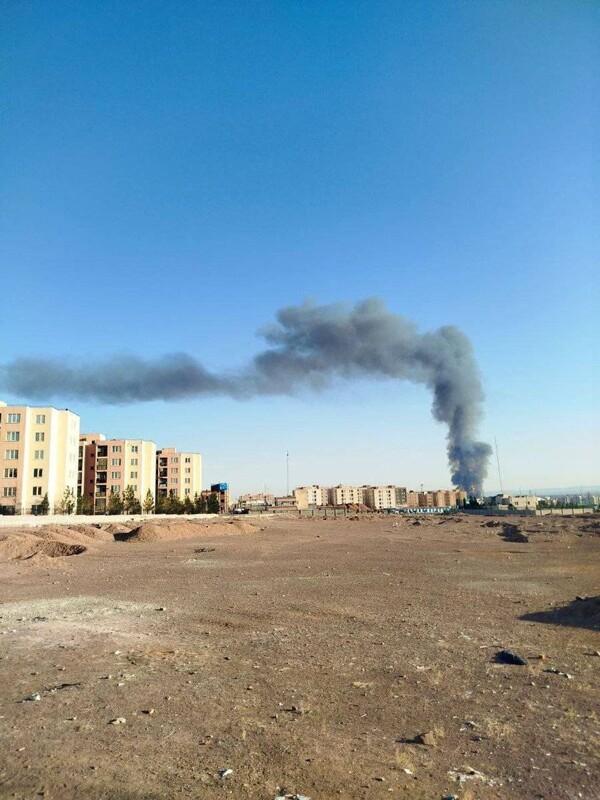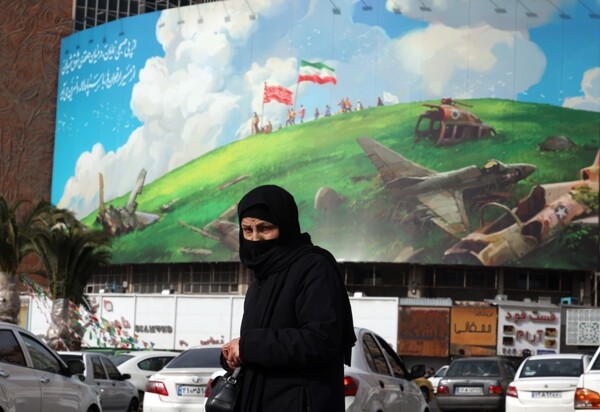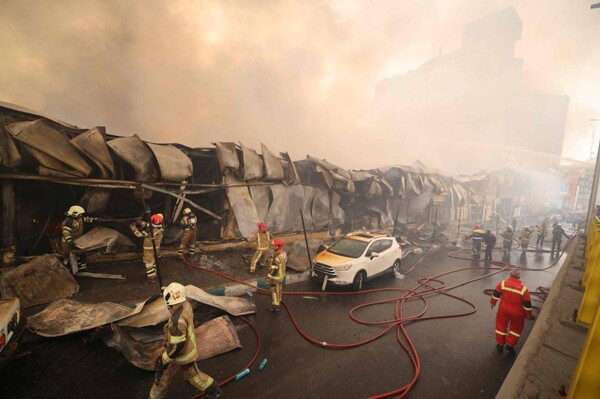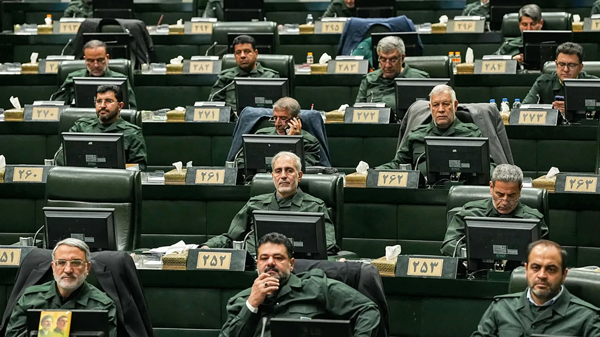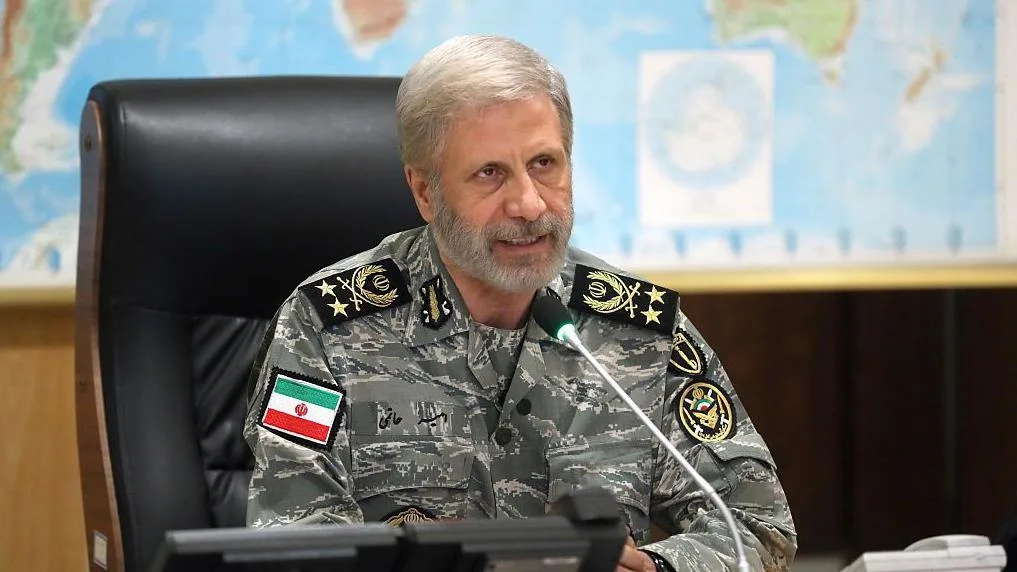
Tehran, January 7, 2026 – General Amir Hatami, Commander-in-Chief of the Islamic Republic of Iran's Army, warned on Wednesday that his country could carry out a preemptive military strike in response to the 'hostile rhetoric' of the United States and Israel, amidst growing geopolitical confrontation and deep internal protests. Hatami made his warnings during a speech to students at a military academy in Tehran, where he emphasized that Iran will not allow what it considers threatening words and actions that risk national security to continue. In his address, Hatami linked the current phase of geopolitical tensions to historical transformations of the world order and reiterated that the protection of Iran's independence, territorial integrity, and political system is a priority for the armed forces. Economic and political protests, which initially arose from the severe devaluation of the rial and rising food and energy prices, have grown into broader challenges to the ruling theocracy and add to a picture of international pressure. Nevertheless, the repeated warnings from Trump and Netanyahu, along with belligerent responses from Tehran, increase the risk of regional escalation. This episode is set against a broader backdrop of confrontation between Iran and Western powers, which includes economic sanctions, diplomatic maneuvers, and a prolonged dispute over influence in the Middle East. His speech reflected a strong defensive and deterrent posture towards Western and Israeli powers. The military commander also alluded to what he perceives as external attempts to weaken Iran's strategic position in the region, accusing the United States and Israel of seeking to destabilize the country and undermine its capabilities. Netanyahu, for his part, expressed solidarity with Iranian protesters and backed their aspirations for freedom and justice, intensifying the perception of a joint threat from Washington and Jerusalem. Social mobilizations in Iran, driven by the collapse of the national currency and the economic crisis from international sanctions, have been ongoing for over a week and spread to almost all provinces, with dozens dead and thousands arrested reported by human rights organizations. In this context, Hatami stressed that Iran considers any intensification of hostile rhetoric as a 'threat' that will not go unanswered. According to the army chief, the armed forces are in a state of 'much greater readiness' than before the 12-day war with Israel in June, and warned that any aggression—or 'mistake' by those he considers enemies—will be countered with a decisive response. The warning comes at a critical moment, following Trump's statements warning that if Iranian forces kill peaceful protesters in the current demonstrations, the United States will 'intervene to rescue them,' a stance interpreted in Tehran as interference in internal affairs. Human rights organizations have pointed out that at least 36 people have died since the start of the demonstrations, and authorities have been accused of using tear gas and lethal force to disperse protesters. Meanwhile, the Iranian government has attempted to balance firmness with internal palliative measures, such as subsidies equivalent to seven dollars per month to offset the rise in basic goods prices, although persistent inflation continues to affect millions of citizens. The possibility that rhetorical declarations could lead to military actions keeps the world on alert for a potentially more serious episode in the international geopolitical theater.