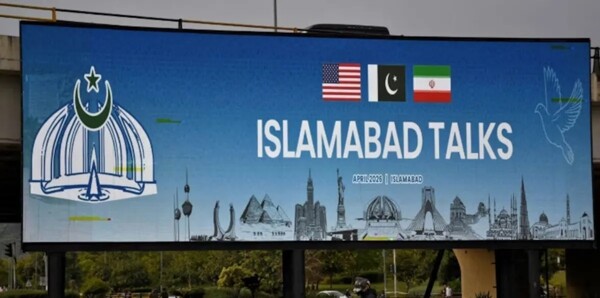
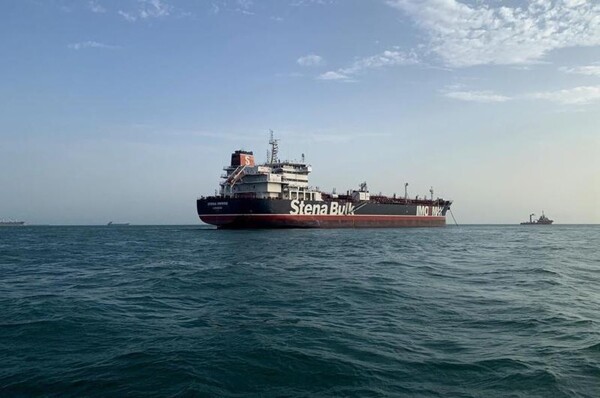
Tehran, for its part, keeps the strait closed for most traffic. The confrontation has reduced transit to minimal levels, aggravating an energy supply crisis that threatens to severely hit the global economy. Fighting between the United States and Iran has been suspended since around April 8, shortly after President Donald Trump announced a two-week ceasefire the night before. The United States and Iran are considering extending the ceasefire for two weeks to have more time to negotiate a peace agreement, which would reduce the risk of fighting resuming despite rising tensions around the Strait of Hormuz. With the initial truce set to expire next week, mediators between the conflicting parties are seeking to push forward technical talks to overcome the most controversial points preventing a long-term agreement, the source said, asking not to be identified due to the sensitivity of the matter. Stocks in the United States closed at all-time highs, driven by optimism over a possible peace deal. Although Israel joined the United States last week in suspending attacks on Iran, its military has continued its offensive against Hezbollah in Lebanon, complicating the overall peace landscape. Prime Minister Benjamin Netanyahu said on Wednesday night that he had instructed the Israeli army — which invaded Lebanon last month — to expand the security zone it seeks to establish within the country. Discussions are underway on a possible ceasefire, Israel's state-run Kan News media reported earlier, citing an unnamed official, although no decision has yet been made. The United States has established a naval blockade to cut off Iranian shipments and announced on Wednesday that 10 vessels were forced to turn back. Key issues include the reopening of Hormuz and the future of the Iranian nuclear program. Tensions remain particularly high around Hormuz, a key maritime route for oil and gas that has remained virtually closed since the start of the war nearly seven weeks ago. Iranian armed forces “will not allow exports or imports to continue in the Persian Gulf, the Gulf of Oman or the Red Sea” if the blockade persists, they warned. Oil prices remain high, though Brent crude moderated its gains to trade around $95 a barrel on Wednesday, about 33% above its level before the start of the conflict. A first round of peace talks took place in Pakistan over the past weekend, although participants — including U.S. Vice President JD Vance — left without reaching an agreement. The White House has “formally requested an extension of the ceasefire,” press secretary Karoline Leavitt told reporters on Wednesday, though she acknowledged that “we remain very engaged in these negotiations.” Pakistan's army reported that a delegation from the country arrived in Iran on Wednesday, as Islamabad continues to mediate in the exchange of messages between the two parties. Iran views the extension of the U.S. blockade as “a prelude to a breakdown of the ceasefire,” stated Ali Abdollahi, commander of the Iranian armed forces' joint headquarters, according to state television.

US and Iran Consider Ceasefire Extension
After nearly seven weeks of conflict, the US and Iran are discussing extending their two-week ceasefire. Tehran threatens to block shipping in the Persian Gulf if the blockade continues. Oil prices remain high as peace talks are ongoing.