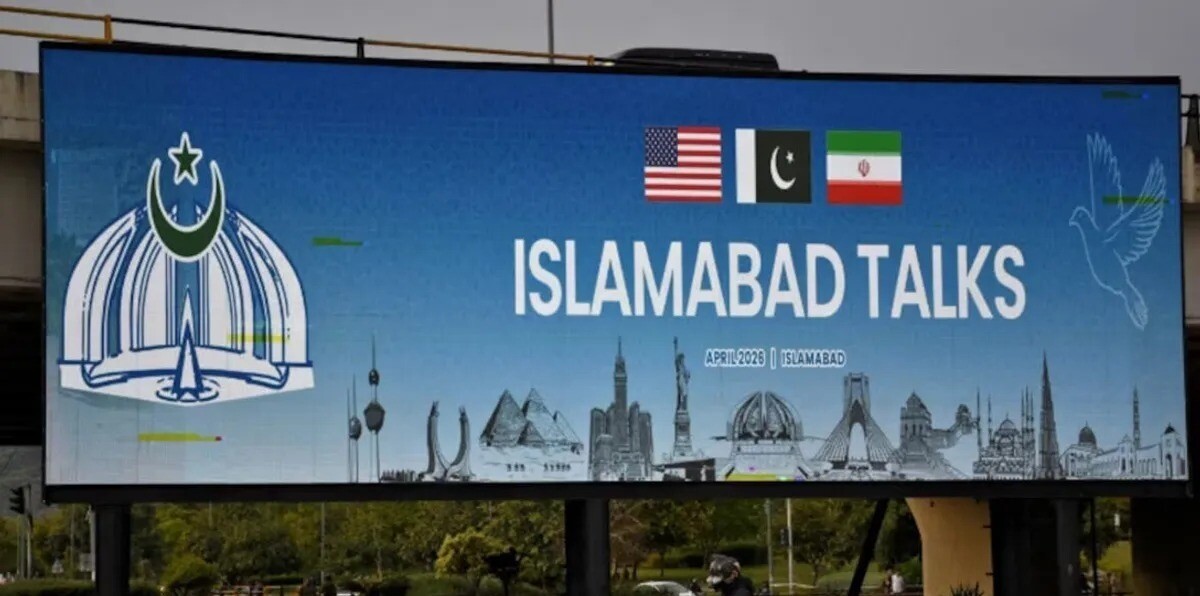
Iranian President Ebrahim Raisi stated that the right to civil nuclear energy cannot be 'seized under pressure or through war', leaving the door open only for discussions on the 'level and type of uranium enrichment'. In turn, Israeli Prime Minister Benjamin Netanyahu confirmed that the goals of Israel and the United States 'align' regarding Iran, pointing to the need to 'eliminate the enrichment capability within Iran'. US President Donald Trump reiterated on Tuesday that the war is 'nearing its end'. She added, 'We are optimistic about the prospects of reaching an agreement', as the Pakistani mediator continues efforts after the first round of talks in Islamabad failed on Sunday. Meanwhile, Iranian Foreign Minister Abbas Araghchi met with Pakistan's Army Chief Asim Munir on Wednesday. A spokesperson for the Iranian Foreign Ministry, Esmail Baghaei, stated that 'several messages have been exchanged via Pakistan' over the past three days. 'I am doing this for them as well, and for the world,' he added, 'They have agreed not to supply weapons to Iran.' In Beijing, Chinese Foreign Minister Wang Yi spoke with his Iranian counterpart Abbas Araghchi on the phone on Wednesday, confirming Beijing's support to 'maintain the momentum of peace talks'. In a sign of ongoing concern, finance ministers from eleven countries, including the UK, Japan, and Australia, called for a 'negotiated solution' to the conflict, citing threats to 'global energy security, supply chains, and economic and financial stability'.
On the Lebanese front of the conflict, which Israel does not consider covered by the ceasefire, hostilities with Hezbollah continue despite Tuesday's talks between the two countries' ambassadors in the US aimed at direct negotiations, the first since 1993. The US State Department clarified that the date and location of the talks 'still need to be mutually agreed upon'. Netanyahu confirmed on Wednesday that 'disarming Hezbollah' is the primary goal of the talks between Israel and Lebanon. Meanwhile, the Israeli Defense Forces announced they had struck over 200 Hezbollah targets in the past 24 hours, and the group itself fired around 30 rockets in the morning. The army stated it received orders to kill any Hezbollah militant in the area stretching from the border to the Litani River, about 30 kilometers north. However, a senior US official denied on Wednesday that Washington had agreed to extend the ceasefire.
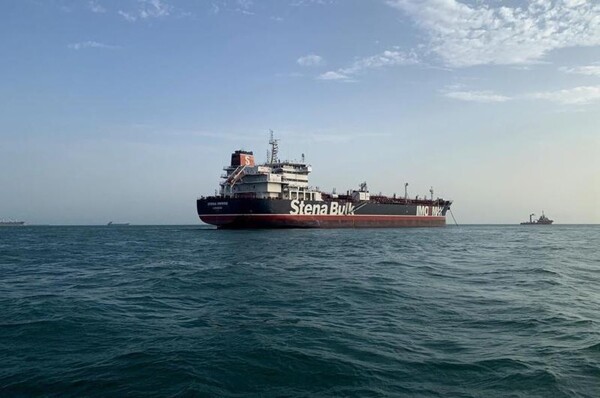
On the battlefield, uncertainty persists. Iran continues to block the Strait of Hormuz, while Washington has imposed a blockade on ship movements to and from Iranian ports since Monday. The US military announced on Wednesday it prevented nine ships from leaving Iranian ports. The White House announced on Wednesday it is discussing a second round of talks with Iran, saying it is 'optimistic' about the chances of reaching a deal after Tehran threatened to disrupt navigation in the Red Sea in response to the US naval blockade of its ports. A presidential spokesperson, Caroline Levitt, said: 'Discussions have taken place aimed at resuming talks in Islamabad, but nothing is official yet.' Hezbollah opposes any direct negotiations with Israel. The war has displaced about one million people in Lebanon, a fifth of the population, according to the UN, which called on the international community to provide urgent support to the country. Commander of US forces in the region, Brad Cooper, stated: 'US forces have completely stopped Iran's maritime trade', emphasizing that about 90% of Iran's economy depends on it. In response, Commander of the Iranian Armed Forces, General Ali Abdollah, said that continued US blockade and 'creating uncertainty regarding the security of Iranian commercial ships and tankers' would be a 'precursor' to violating the ceasefire in effect since April 8. Just weeks before his expected visit to Beijing, Trump believes he has convinced Chinese authorities of the importance of his strategy. He posted on his social media platform Truth Social: 'China is very happy that I am permanently opening the Strait of Hormuz.' However, he is holding firm on a key Iranian demand.