Iran used its free zones to import essential goods by order of Iran's Minister of Economic and Financial Affairs, Seyed Ali Madanizadeh, a measure to ensure trade sustainability and bypass the US blockade of the Strait of Hormuz, reported the semi-official news agency Mehr today.
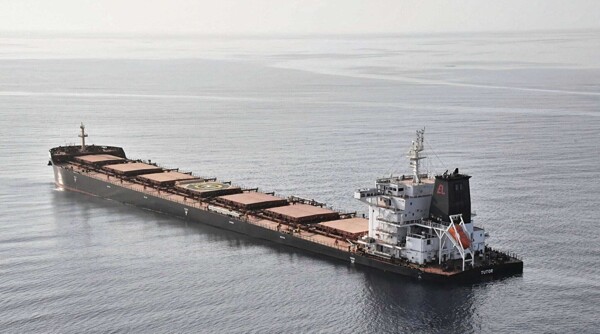
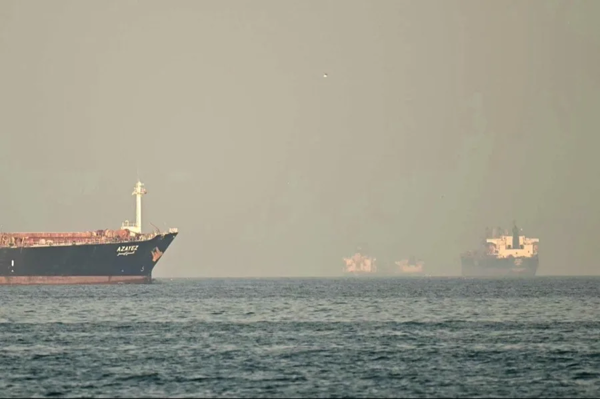
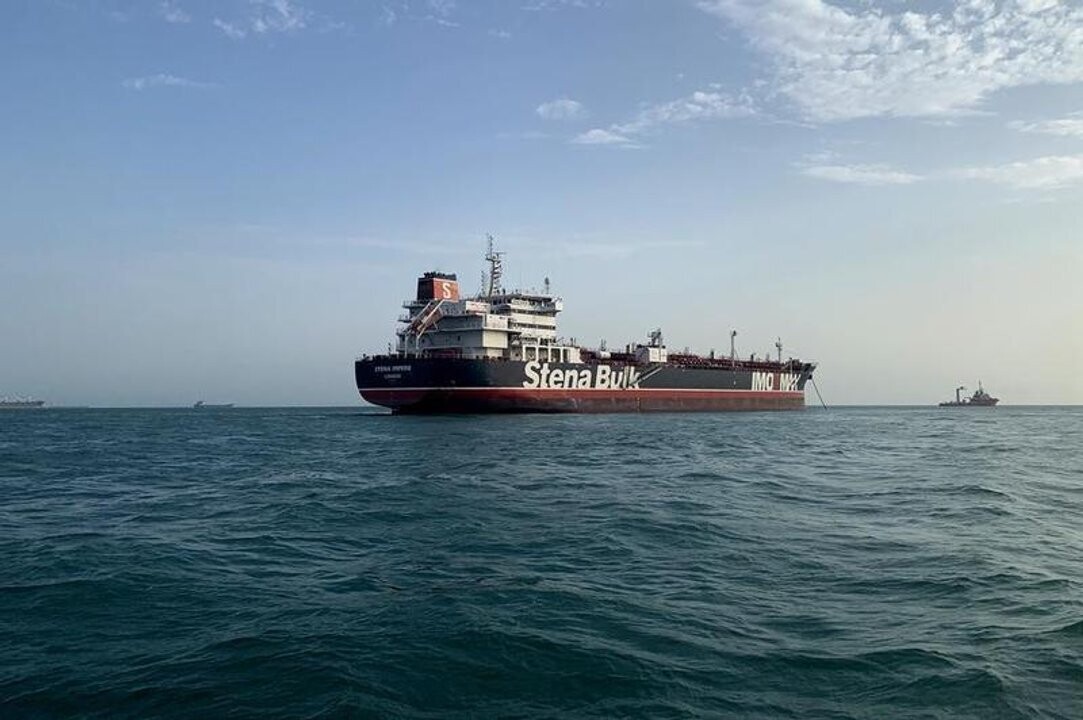
Also on Wednesday, the semi-official Iranian news agency Fars reported that a sanctioned Iranian supertanker (VLCC) entered the country's southern waters without turning on its automatic identification system, despite the US naval blockade, according to a Xinhua report accessed by the Argentine News Agency.
Citing data from maritime intelligence firm TankerTrackers, Fars indicated that the supertanker is on the sanctions list of the US Treasury Department's Office of Foreign Assets Control, without specifying the ship's name or date of entry.
The VLCC, with a capacity to carry 2 million barrels of crude oil, entered Iranian territorial waters after sailing in the high seas and the Strait of Hormuz, thus defying US sanctions and threats from US Central Command, according to Fars.
The move sends a clear message to Washington that the Strait of Hormuz is by no means unsafe for vessels linked to Iran, even under US sanctions, it stated.
Regarding the "free zones"
Free zones have gradually become fundamental pillars of the country's economic sustainability in the face of crises, according to the Mehr report.
"Thanks to their strategic location on Iran's land and maritime borders, the simplification of regulations, and the flexibility of their infrastructure, free zones will serve as alternative routes for the supply of essential goods when the country's main ports are under sanctions or blockade," Mehr noted.
The decision of Iran's Ministry of Economic and Financial Affairs to assign this new mission to the country's free zones, especially those located in the north, northwest, and east of Iran, aims to stabilize the domestic market and prevent supply chain disruptions, the ministry added.
The United States imposed a blockade on the Strait of Hormuz to prevent access to Iranian ports, which came into effect after the failure of peace talks between Iran and the United States in Islamabad, the capital of Pakistan, at the end of last week.
The peace talks were held on Saturday and the early hours of Sunday, following a two-week ceasefire between Iran, the United States, and Israel that took effect on April 8.
On February 28, Israel and the United States launched joint attacks against Tehran and several other Iranian cities, killing Iran's then-Supreme Leader, Ali Khamenei, along with high-ranking military and civilian officials.
Iran responded with waves of missile and drone attacks against Israel and US targets in the Middle East and reinforced its control over the Strait of Hormuz by restricting the passage of vessels owned by or affiliated with Israel and the United States.