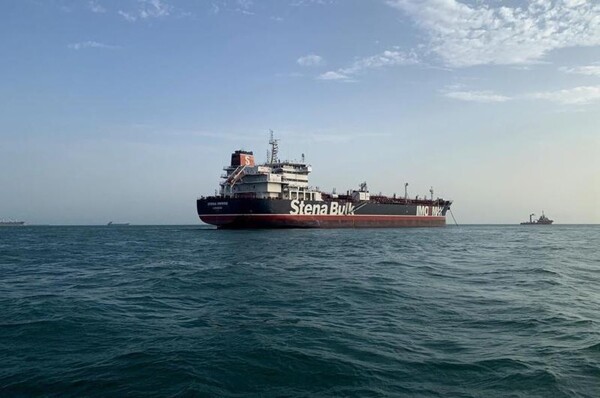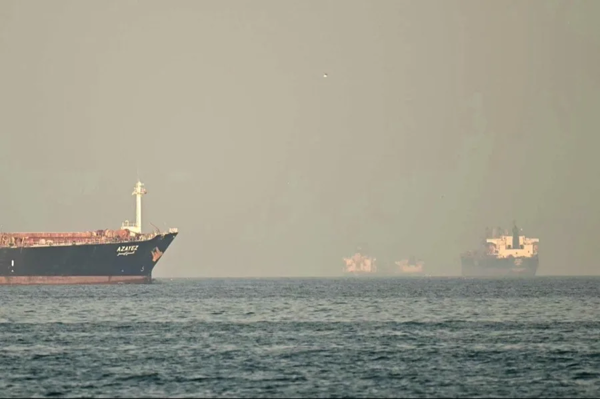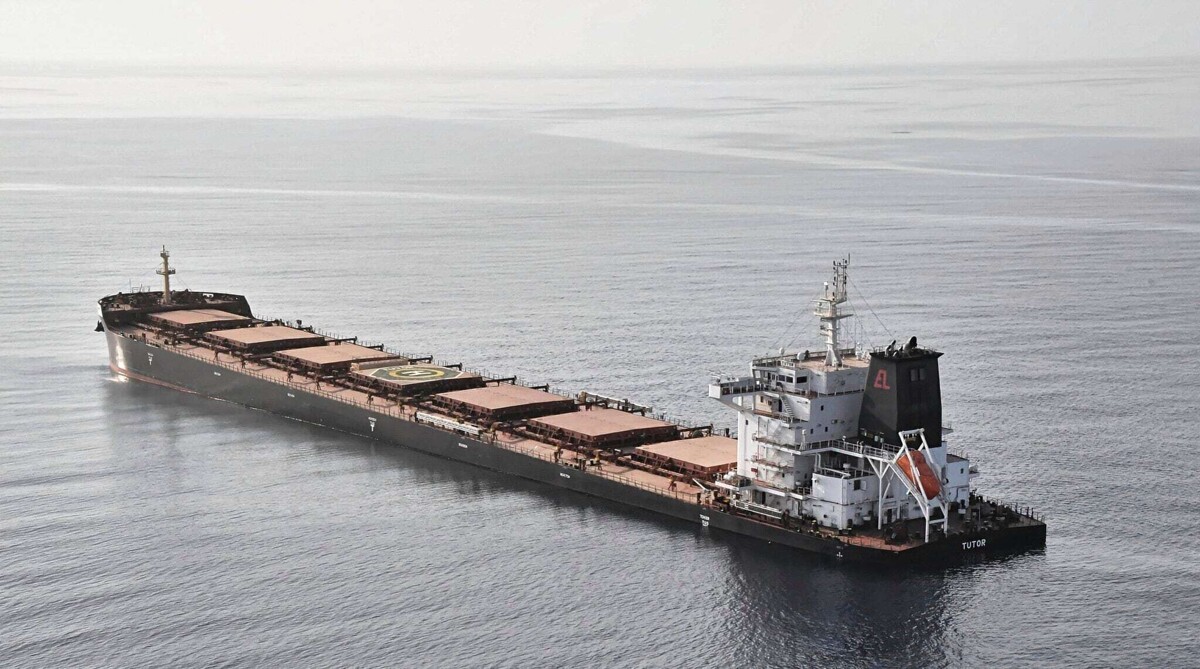
Iran's armed forces issued a stern warning in response to the intensification of the US military blockade on its coasts. The unified command of Tehran threatened to interrupt maritime transport operations in strategic points such as the Red Sea, the Persian Gulf, and the Sea of Oman. This stance arises as a direct response to the full implementation of a naval blockade by the United States Central Command (CENTCOM), which halted commercial activity at Iranian ports in less than 36 hours. Major General Ali Abdollahi, Commander of Iran's Khatam al-Anbiya Central Headquarters: 'If the United States continues its naval blockade in the region, Iran’s powerful armed forces will not allow any exports or imports to continue in the Persian Gulf, the Sea of Oman, and…'. Major General Ali Abdollahi classified Washington's actions as illegal and denounced that this measure represents a direct violation of the recently agreed ceasefire. According to statements collected by the state agency Tasnim, the high military command assured that Iran will not allow the continuity of exports or imports in the region under the conditions of economic suffocation imposed by American forces. Although Iran does not have a direct border with the Red Sea, its ability to influence through regional allies, such as in Yemen, puts at risk one of the world's most trafficked commercial routes. Currently, part of the commercial traffic still circulates through the Strait of Hormuz, as the blockade is specifically applied to destination or origin ports in Iran and not to the strait as an international waterway. However, Abdollahi's warning suggests that Tehran has the means to obstruct the passage if it considers that its economic sovereignty is violated without return. However, this military maneuver generates a vacuum of stability that could lead to asymmetric attacks against commercial vessels unrelated to the conflict. The situation places global trade in a position of extreme vulnerability, where the security of supply chains now depends on the military response to what Iran defines as unilateral aggression.