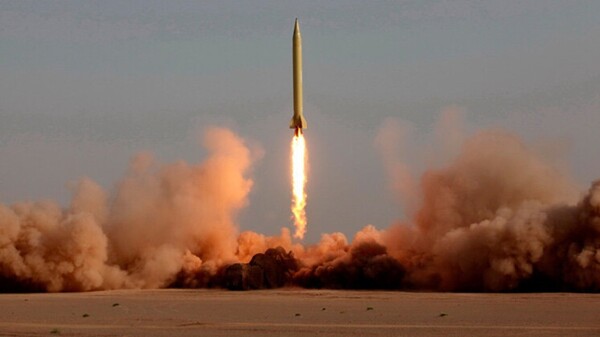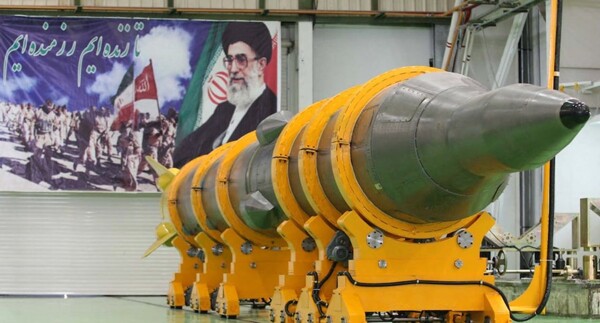
Teheran - March 15, 2026 - Total News Agency - TNA. In the United Arab Emirates, tension grew even more after the wreckage of an intercepted drone fell in the Fujairah area, causing a fire at an energy installation, a particularly sensitive point as it is one of the nerve centers of regional oil trade. The breaking point was the Iranian threat on Saturday against three top-tier Emirati ports: Jebel Ali, Khalifa, and Fujairah. Teheran justified this warning by accusing the United States of using Emirati territory or infrastructure to facilitate the attack on Kharg, a claim that the UAE and other Gulf countries flatly rejected. While the capitals of the Gulf intercept drones and missiles over their skies, the rest of the world is beginning to realize that any spark in the Strait of Hormuz can almost immediately affect gas pumps, inflation, and the strategic security of several regions at the same time. Now that everything has been made public, they are joining the fight, argued Defrin. Israeli military spokesperson: War against Iran could extend three weeks. The Israeli army estimates that the war against Iran, which began alongside the United States on February 28, could last another three to six weeks, because we still have thousands of objectives ahead, a military spokesperson for the Israel Defense Forces (IDF) told CNN. We are prepared, in coordination with our American allies, with plans that will extend at least until the Jewish holiday of Passover (which begins on April 1), in about three weeks. The response, for now, was cautious: some capitals admitted to talks and evaluating options, but still without firm commitments to ensure an immediate multinational operation. From Teheran, the response came from Foreign Minister Abbas Araghchi, who urged neighbors to 'expel the foreign aggressors' and dismissed Trump's call.