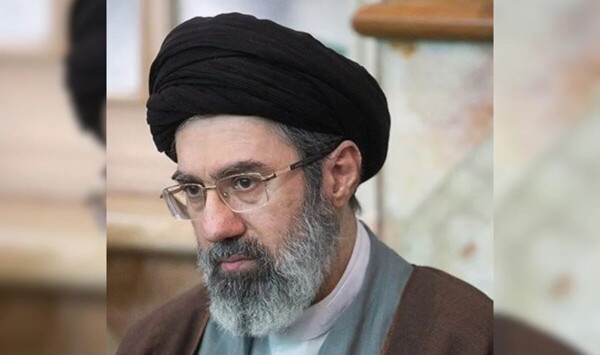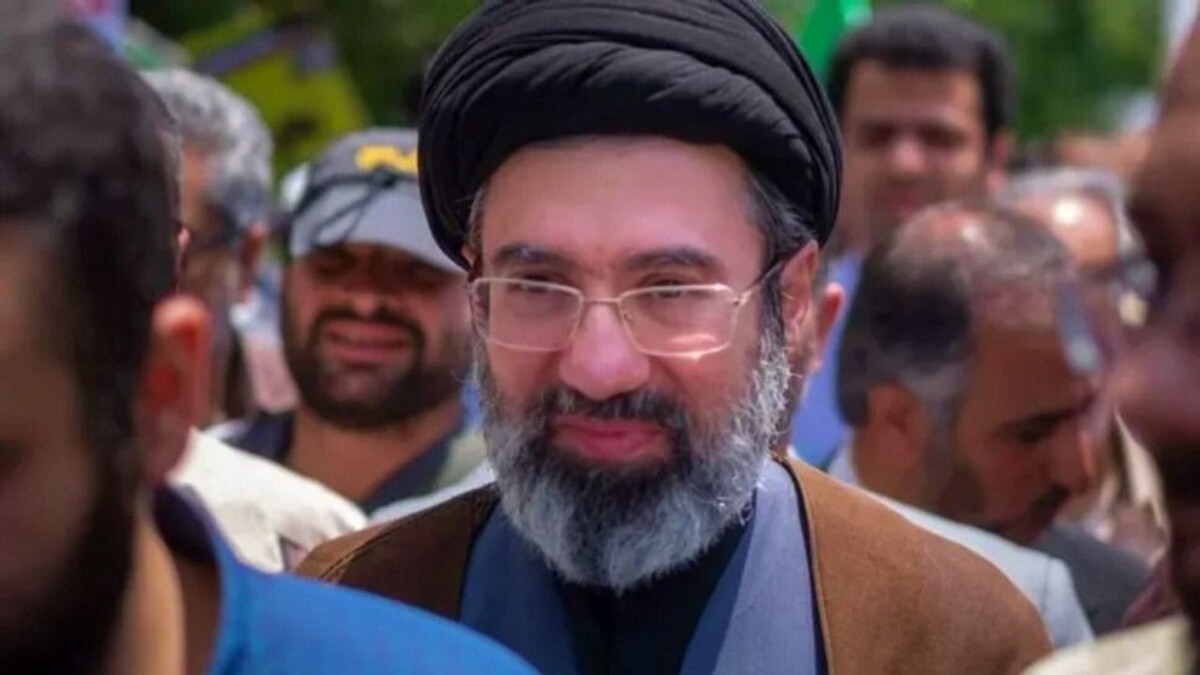
In Tehran and Qom, massive bombings decapitated much of the country's political and military leadership. In this critical context, the Assembly of Experts has officially designated Mojtaba Khamenei, son of the late Ayatollah Ali Khamenei, as the new Supreme Leader of the Islamic Republic. This marks an unprecedented hereditary transfer of power. Although the Iranian system is not formally hereditary, the choice of Mojtaba breaks clerical tradition to prioritize lineage continuity amidst the chaos of war. International analysts agree that the appointment was secured by the Islamic Revolutionary Guard Corps (IRGC). The regime's military wing is said to have pressured the Assembly of Experts to ensure a leadership that maintains a hardline stance and military retaliation capability. It has been confirmed that Mojtaba is safe, in good health, and actively exercising state control. The new Supreme leader will have to coordinate the response against the assets of the U.S., Israel, and potentially European allies (such as the attack on the British base in Cyprus). He also faces the challenge of preventing fractures within the clerical establishment that could question the legitimacy of a 'dynastic' succession, as well as managing the logistical collapse resulting from the closure of airspace and the destruction of command centers. The White House under the Trump administration has not yet issued an official statement on the appointment, though Secretary of State Marco Rubio has reiterated that the goal of the offensive is the 'total degradation' of Iranian command capabilities, regardless of who holds the title of Supreme Leader.