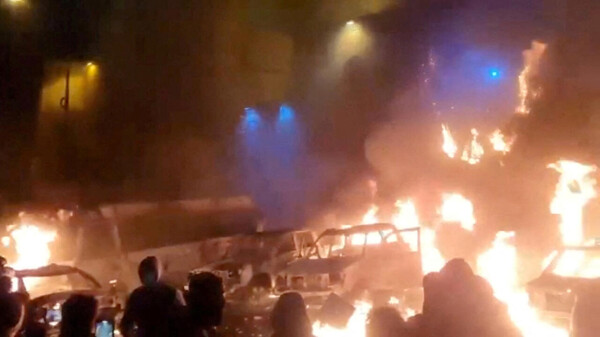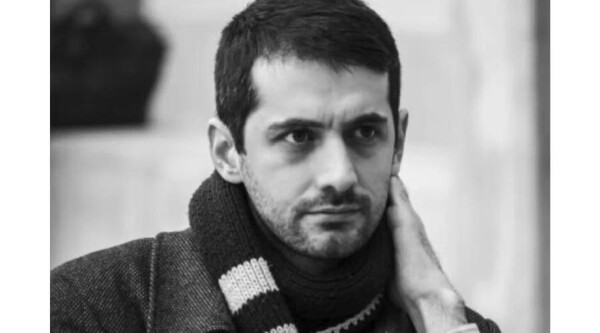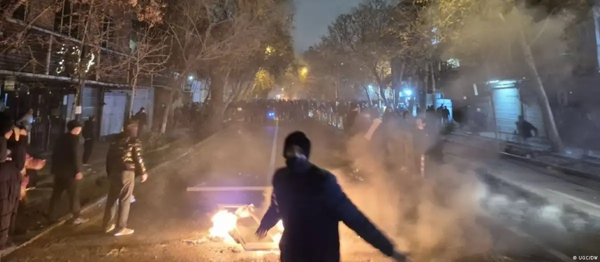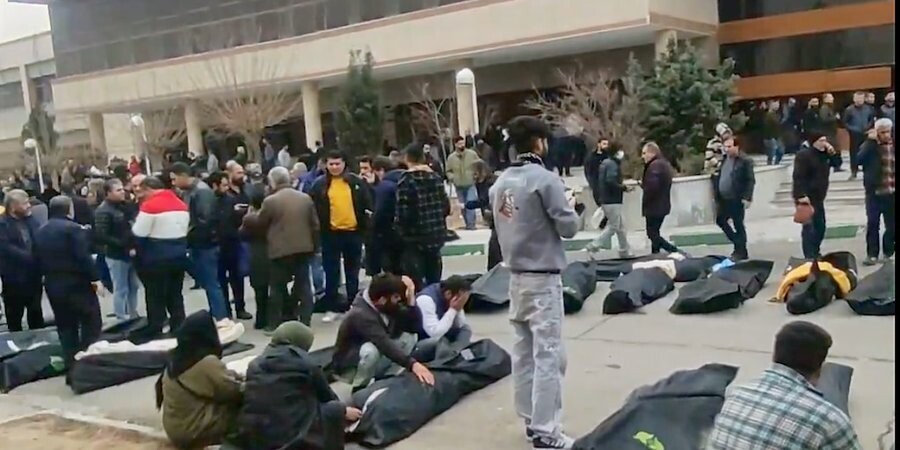
The total blackout was imposed at the peak of the protests and left millions of people without communication, increasing the distress of families and making it difficult to independently verify the facts. Reza recalled that this is not the first time the regime has responded with extreme violence to social demands. However, Reza asserts that the real figures would be much higher, mentioning mass killings in cities such as Mashhad and Rasht, where indiscriminate shootings and attacks on traditional markets were reported. One of the most serious episodes recounted by the lawyer involves the Revolutionary Guards, who are accused of entering intensive care units to execute wounded protesters. Testimonies collected in exile describe extrajudicial executions, hospitals turned into scenes of persecution, and a systematic regime strategy to eliminate opponents, even while receiving medical care. Reza, an Iranian lawyer based in Spain after fleeing the country due to political persecution, recounted that initial communications with family and friends in Iran revealed a scene of human devastation. In an extreme scenario, he admitted that many opponents consider even external intervention as the only way to end the regime. Amidst a fragmented opposition, Reza pointed to Reza Pahlavi, the son of the last Shah of Iran, as a figure capable of leading a political transition. The regime labeled the protesters as “terrorists” and deployed police and military forces to suppress the demonstrations. Even from abroad, he said, reprisals continued: during the 2022 “Woman, Life, Freedom” protests, his father was detained, tortured, and left with permanent sequelae. The economic deterioration also appears as a central trigger for the current uprising. Videos that managed to evade the information blackout showed hospitals and morgues overwhelmed by civilians with bullet wounds. The protests, which spread from large cities to small towns, became one of the biggest challenges for the Islamic Republic since its establishment. Madrid, January 17, 2026 – Total News Agency-TNA-Chilling accounts from Iran describe an unprecedented repression of violence against protests that have shaken the country since the end of December. “It is not about returning to a monarchy, but about getting out of this nightmare,” he stated, reflecting the sentiment of a part of the Iranian diaspora in the face of repression they describe as a true massacre. Sources: Hrana Observatory; testimonies of Iranian exiles; international human rights reports. He mentioned episodes of repression during the government of Mohammad Khatami and explained that he had to leave Iran after being harassed for his human rights studies. He questioned symbolic sanctions and demanded more forceful measures, such as the inclusion of the Revolutionary Guards in lists of terrorist organizations or the promotion of international investigations. The accelerated loss of value of the currency and uncontrolled inflation have turned basic food products into inaccessible goods for large sectors of the population, despite Iran being among the countries with the greatest natural resources in the world. From exile, Reza expressed frustration over what he considers an insufficient response from Spain and the European Union to the magnitude of the repression. Verified images from the locality of Kahrizak show bodies in body bags with breathing tubes still connected, reinforcing the suspicion that they died while under medical treatment. The Iranian regime partially restored SMS services after nine days of total communication blockage, which included the cutting of the internet and international calls. “We have all lost someone,” a cousin from Tehran told him, summarizing the social impact of a repression that, according to testimonies, affects entire neighborhoods and different generations. According to the Hrana human rights observatory, more than 2,600 people would have died and nearly 20,000 were detained. According to the testimony of an aunt surgeon in Tehran, several patients transferred to the ICU after being shot in the head and neck were killed by the injection of air.