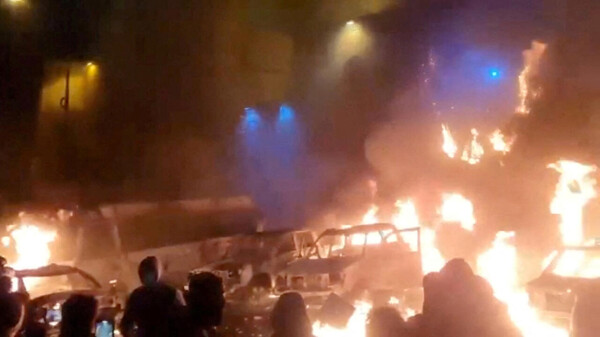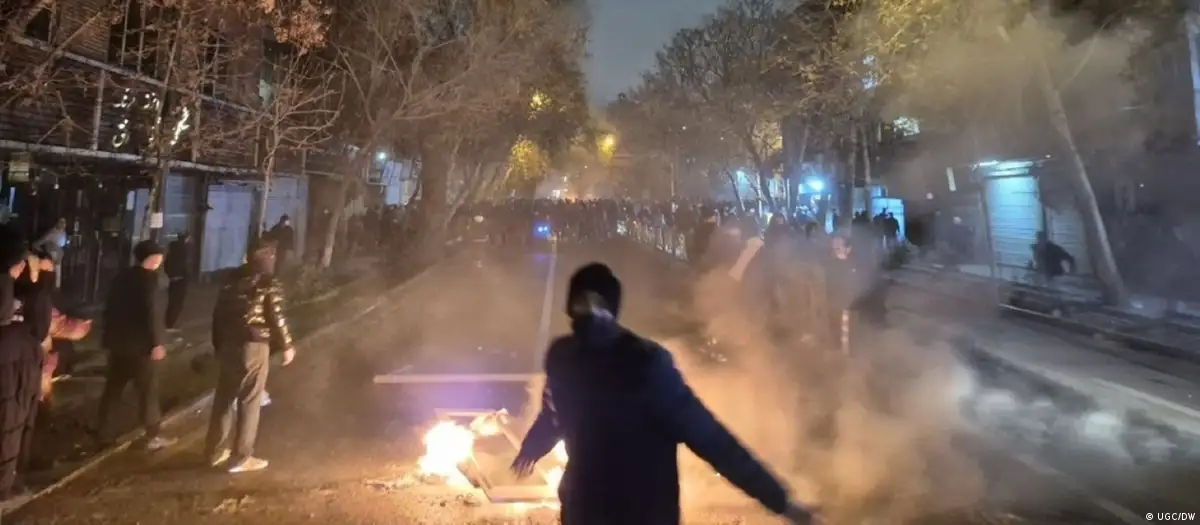
The Iranian government officially acknowledged that thousands of people died during massive protests that have shaken the country for several weeks, constituting one of the most serious admissions of state violence in recent years. According to official data published by the state-run Foundation of Veterans and Martyrs, the death toll is at least 3,117. However, sources within Iran's own power apparatus admit that the real figure exceeds 3,700 fatalities, while various media outlets report figures close to 10,000 dead. Iranian authorities claim that many of the victims were passersby shot by armed clandestine groups, while other protesters were attacked by 'organized terrorist agents within the crowd'. However, this explanation directly clashes with reports from human rights organizations, both inside and outside Iran, which denounce a massive and planned repression by the security forces. These reports include the use of live ammunition against protesters, arbitrary detentions, temporary disappearances, and extrajudicial executions. International analysts warn that the regime's admission of these figures is a turning point, as it confirms that the repression reached lethal levels unprecedented in recent Iranian history. According to the official report, of the total confirmed deaths, 2,427 correspond to civilians and members of the security forces, without transparently specifying how these figures are distributed or the circumstances in which the deaths occurred. The rest of the victims were attributed by the regime to supposed 'terrorists, rioters, and people who attacked military installations'. This was stated by the Secretary of the Supreme National Security Council, Ali Larijani, who claimed that at least 690 of the dead fall into that category, a definition widely questioned by international bodies. From Tehran, the official version insists that the violence recorded during the demonstrations was the result of the actions of 'infiltrated mercenaries', supposedly backed by the United States and Israel, and not of a systematic repression by the State. The demonstrations, which began as social and economic demands, evolved into a wave of political protests against the theocratic regime, challenging the power structure of the Islamic Republic. At the same time, they highlight that the attempt to justify the deaths under the label of 'terrorism' seeks to evade criminal and political responsibility at the international level. As protests continue and reports of arrests and torture multiply, the international community is watching with growing concern a scenario in which the Iranian state itself admits to causing the death of more than 3,700 people, consolidating one of the bloodiest repressive episodes of the 21st century in the Middle East.