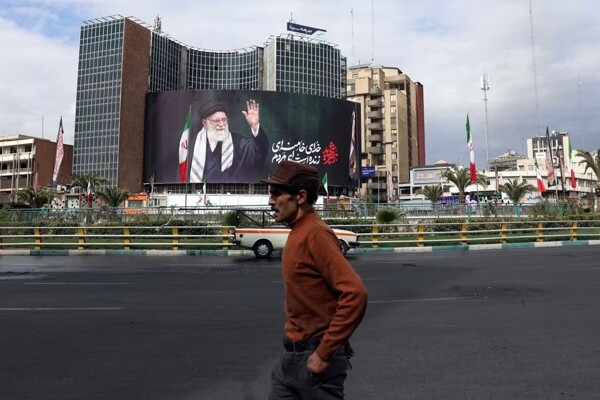
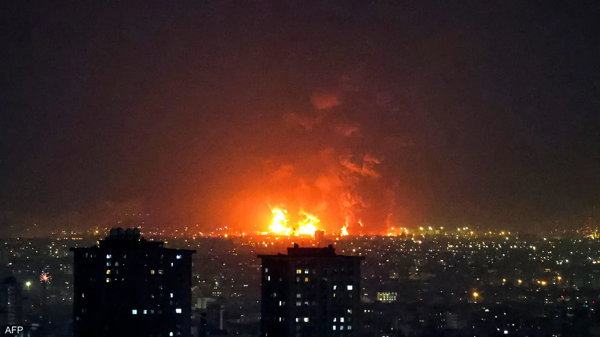
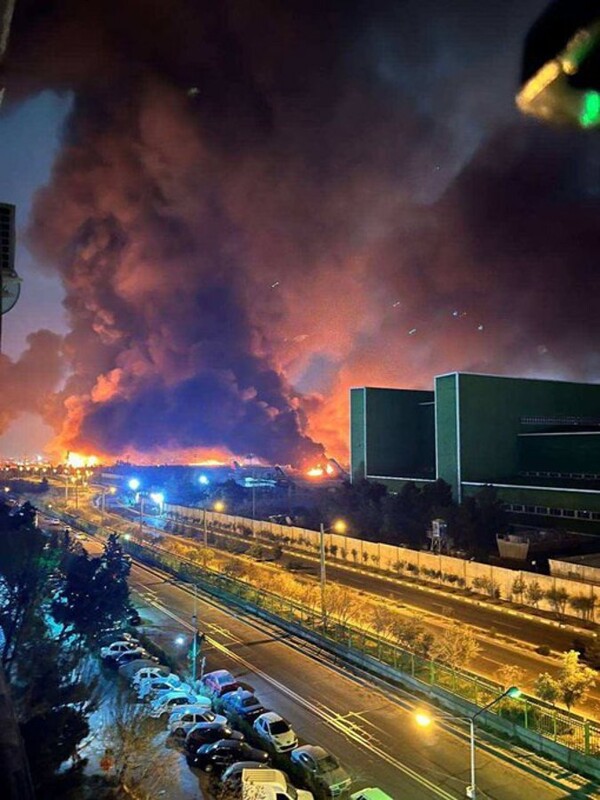
Iran is going through one of the most delicate moments in its recent political and military history. The capital, Tehran, remains covered in a dense cloud of smoke, and the smell of burning fuel still permeates the air. The Assembly of Experts, composed of 88 elected clerics, has the constitutional authority to appoint and, if necessary, remove the Supreme Leader, the most powerful figure in the Islamic Republic, even above the president. Just over a week after the death of Ayatollah Ali Khamenei, which occurred during attacks launched by the United States and Israel against strategic targets of the Iranian regime, the Assembly of Experts confirmed that his successor has already been chosen as the new Supreme Leader, although the name of the new political and religious head of the country remains a secret for now. The announcement was made by Ahmad Alamolhoda, a member of the Assembly of Experts, the clerical body in charge of appointing the country's highest leader. During the night, Israeli fighter jets bombed fuel depots in Tehran and nearby industrial zones. According to the Israeli Army, these facilities were used to supply Iranian military units. At the same time, an airstrike hit a hotel in the center of Beirut, the capital of Lebanon, where, according to intelligence sources, Iranian commanders linked to the regional coordination of military operations were staying. The war, which is now in its ninth day, shows signs of escalating. Meanwhile, Iran suggested it could rebuild its economy if the new political leadership is "acceptable" to Washington, a claim that was rejected by Iranian authorities. Meanwhile, major powers are maintaining cautious positions. China and Russia, strategic allies of Tehran, have avoided direct involvement in the conflict. Authorities have reinforced the presence of security forces in various cities as damage to energy infrastructure and residential areas increases. The Iranian Ministry of Health reported that at least 1,200 civilians have died since the start of the bombings and that nearly 10,000 people have been injured, although these figures could not be independently verified by international bodies. The war also had consequences outside of Iranian territory. In Lebanon, the Ministry of Health reported 294 deaths during the last week from Israeli airstrikes, leading Prime Minister Nawaf Salama to warn of the risk of an imminent humanitarian catastrophe. In the United States, President Donald Trump participated in the ceremony at Dover Air Force Base in Delaware to receive the remains of six U.S. military personnel who died in a drone attack on an American base in Kuwait. The president reiterated that the war is "practically won," but avoided ruling out the deployment of ground troops if required. In Bahrain, local authorities confirmed damage to a desalination plant. Within Iran, the population is beginning to show signs of exhaustion due to the prolongation of the attacks.

Iran's New Supreme Leader Elected After Ayatollah Khamenei's Death
Iran's Assembly of Experts has elected a new Supreme Leader following the death of Ayatollah Ali Khamenei in attacks by the US and Israel. The country faces a humanitarian crisis with hundreds dead, and the regional conflict continues to escalate.