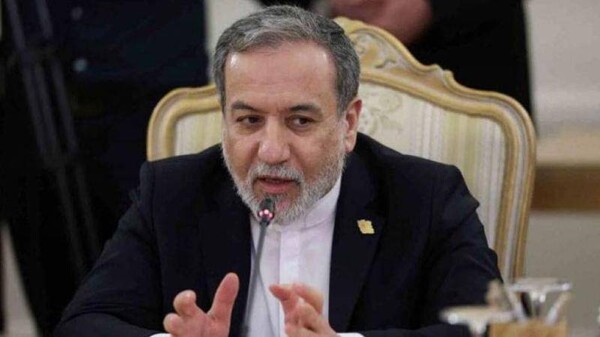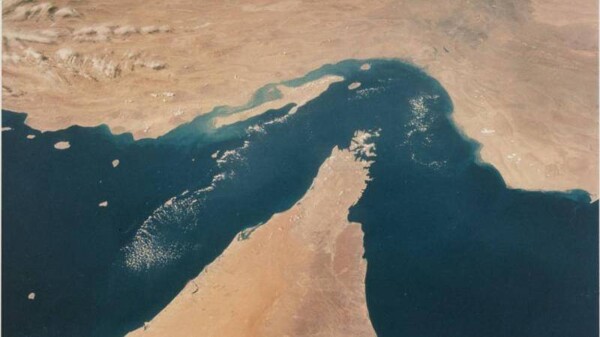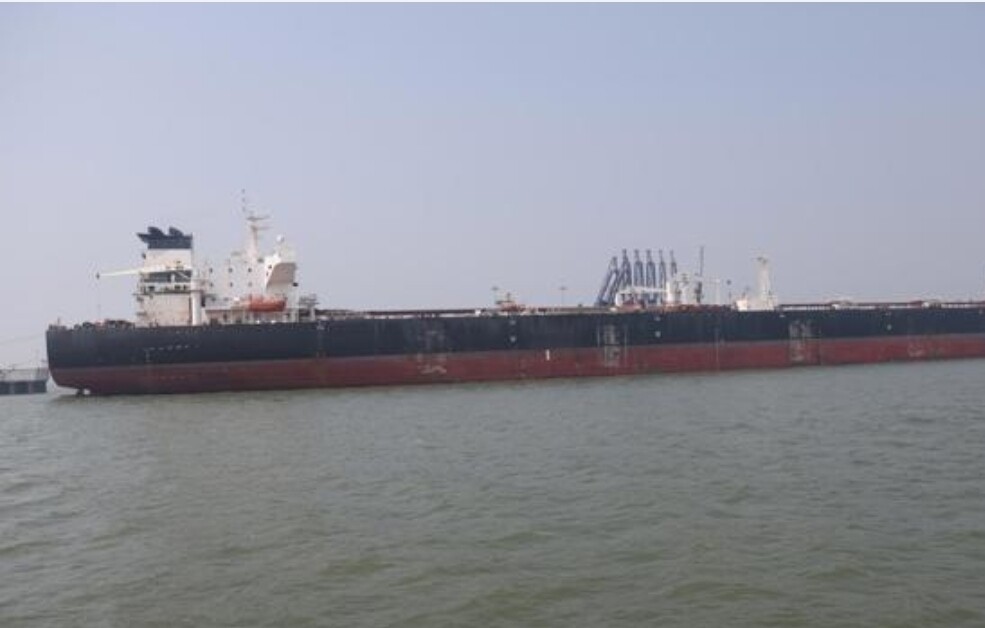
Iran authorized this Saturday the transit of ships carrying basic products and humanitarian aid through the Strait of Hormuz to Iranian ports or those located in its waters, amidst the conflict in the region. "The objective is to allow the transit of ships heading to Iranian ports or operating within its waters," announced the Iranian Ministry of Agriculture in a statement picked up by Tasnim agency, linked to the Revolutionary Guard. According to the media, the decision was made after approval from the Iranian government and the Armed Forces, and specifically concerns the passage of ships loaded with essential goods, including basic foodstuffs and livestock supplies. The Ministry indicated that specific protocols and necessary measures have been established to ensure the safe passage of these vessels through the Strait of Hormuz, which has been practically blocked by Iran since the start of the war on February 28. The closure of this strategic passage, through which 20% of the world's oil is transported, has driven up the price of Brent crude oil. Since the start of the conflict, the price of crude has accumulated increases of between 40% and 50%, which has driven up prices in multiple sectors of the world economy, such as energy, transportation, and food. Austria's Foreign Minister, liberal Beate Meinl-Reisinger, held a telephone conversation this Saturday with her Iranian counterpart, Abbas Araghchi, in which she stressed the need for Tehran to stop attacks on neighboring countries and reopen traffic through the Strait of Hormuz. "We talked about the situation in Iran and the escalation of tensions in the Middle East. Diplomatic solutions and measures to reduce tension are urgently needed," wrote the head of Austrian diplomacy on social media. "I emphasized the need to stop attacks against neighboring states and restore free navigation in the Strait of Hormuz, particularly regarding the humanitarian impact on global food security, focusing on fertilizers and other essential basic goods," added the minister. Iraqi authorities announced this Saturday the temporary closure of the Shalamcheh border crossing with Iran after an attack on the passenger terminal that killed an Iraqi traveler, official sources reported. The head of the Border Ports Authority, Omar al-Waeli, told the official Iraqi news agency INA that this morning at 10:00 local time (7:00 GMT), the Shalamcheh crossing with Iran was targeted in an attack on the passenger terminal, which caused the death of an Iraqi traveler and five other people were injured and were taken to a hospital in Iran. This action, whose origin and form were not identified, has also paralyzed trade at the crossing. Al-Waeli explained that "there are alternatives to the Shalamcheh crossing for the entry of goods, such as the Safuan border crossing (with Kuwait), in addition to other land border crossings that operate in other provinces to ensure the entry of goods and merchandise". Iraq has been directly affected by the war between the US and Iran since February 28, when the United States and Israel launched a joint offensive against Iran, despite not being a formal party to the conflict. However, various sites of the Popular Mobilization Forces (PMF), an association of dozens of Iraqi militias—mostly Shiite and sympathetic to Iran—have been hit by US and Israeli missiles and bombings, according to the forces themselves, who are also integrated into the Iraqi Army. In turn, several pro-Iranian militias within the PMF, such as Kataib Hizbullah, have attacked with drones and rockets US military and diplomatic positions in Iraq.