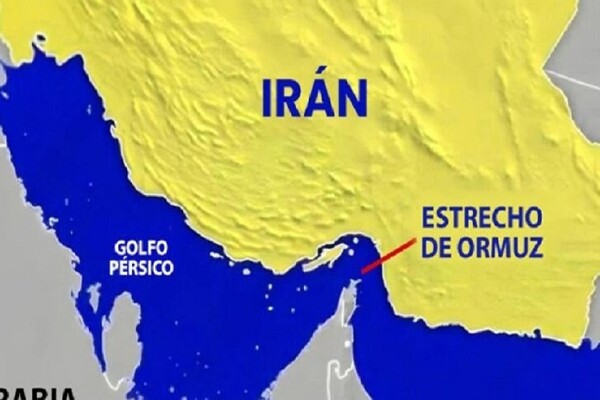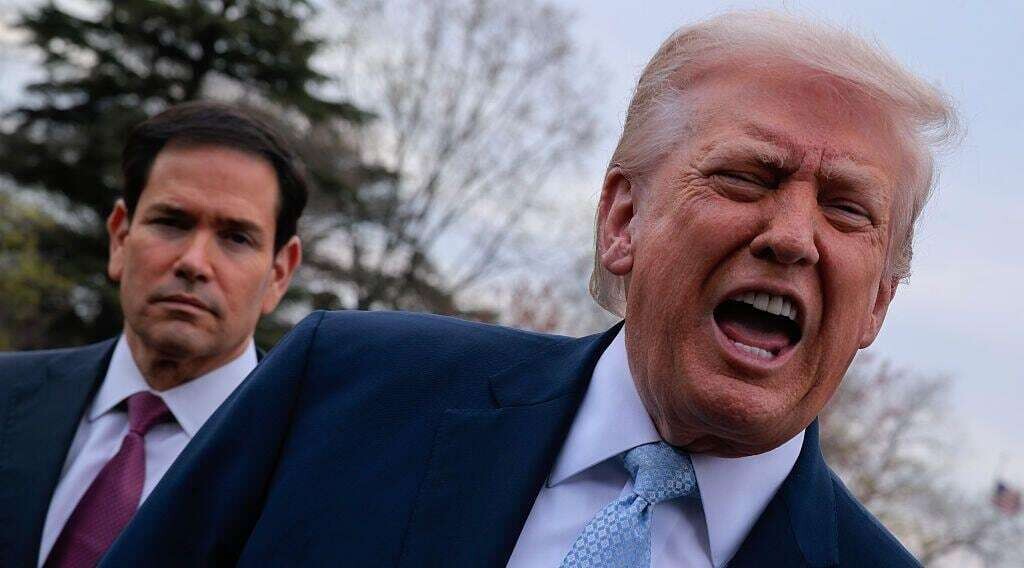
The tough tone may have more to do with setting conditions than rejecting diplomacy altogether. Iran's domestic policy complicates things further. President Masoud Pezeshkian, backed by more moderate groups, has adopted a cautious approach. That's why Trump's statements are met with skepticism. But Iran's denial doesn't necessarily mean it's against rapprochement. There are no clear signs that this time will be different. This helps explain the tough tone of Foreign Minister Abbas Araghchi and other officials. Even before Trump's post on the social media Truth on Monday, Araghchi had said Iran was not seeking talks or a ceasefire and was willing to continue fighting. The head of Iran's Government Information Council rejected the 15-point proposal, saying 'Trump's words are lies and should not be paid attention to.' But this doesn't mean the door is completely shut. Later, on Wednesday, Araghchi neither confirmed nor categorically rejected the proposal. He told state television that 'different ideas' had been conveyed to the country's top leaders and that 'if it is necessary to take a position, it will certainly be determined.' He also said Iran's policy was to continue 'defending itself' and that Tehran 'has no intention of negotiating for now.' The current situation in Iran, with continuous attacks and damage to key infrastructure, is unsustainable. Trump says he is in talks with Iran to end the war, but the Tehran government denies it. Why aren't the Gulf countries retaliating against Iran? A firm public stance helps maintain that pressure. Reports of Trump's proposal, conveyed to Iran by Pakistan, suggest the terms would be difficult for Iran to accept. When Donald Trump claimed this week that the United States and Iran had held 'very good and productive' talks to end the war, Iran's response was swift and blunt. Iranian officials denied that any talks had taken place. Previous agreements have not lasted. The 2015 nuclear deal between Iran and world powers, reached after years of negotiations, ultimately failed when the United States, under Trump, unilaterally withdrew. But this is not just a disagreement; it reflects deep distrust. That distrust stems from recent events. Over the past year, talks between the two sides created hope for easing tensions twice, and in the last round, according to their Omani host, key US concerns about Iran's nuclear program were addressed. On both occasions, the talks were followed by Israeli and US military attacks on Iran. From Iran's perspective, these meetings have not reduced the likelihood of war; they have preceded it. Many in Tehran doubt a new deal would hold. Thus, the gap between the two sides continues to grow. For Washington, talking about progress can serve its political and diplomatic goals. For Tehran, denying talks helps protect its position and also reflects real doubts. For now, the gap between American optimism and Iranian rejection is likely to persist. Bridging it will require more than words. The most hardline sectors oppose talks most vehemently. At the same time, even moderate voices find it difficult to defend talks in the current situation. There is also external pressure on the government. Some opposition groups reject any agreement with the Islamic Republic and have supported attacks in the hope that the war will lead to its collapse and a regime change. Meanwhile, civil society and human rights activists fear an agreement could give authorities more room to crack down internally, especially given that restrictions have already tightened during the war. Iran's stance is not limited to ideology; it is also based on strategy. Since the conflict intensified, Tehran has demonstrated its ability to disrupt global energy flows through the Strait of Hormuz. Closing or restricting this route has affected not only oil and gas markets but also supply chains in general. This gives Iran a strategic advantage. They include strict limits on nuclear capabilities, missile programs, and support for Iran's regional allies, in exchange for sanctions relief and help with civilian nuclear energy. Even for those open to a deal, the main problem is trust. Real guarantees will be needed that talks will not lead to more conflict again, something Trump may also need to demonstrate in his own country after promising to end—not start—wars in the Middle East. A military spokesman even mocked the claim, saying Americans were 'negotiating with themselves.' The gap is evident. There is more at stake. Even officials who support diplomacy are under pressure. Trying to negotiate again would be risky. Washington talks of progress; Tehran flatly rejects it.