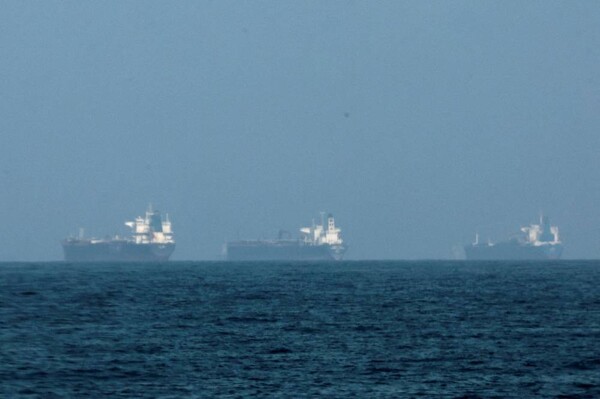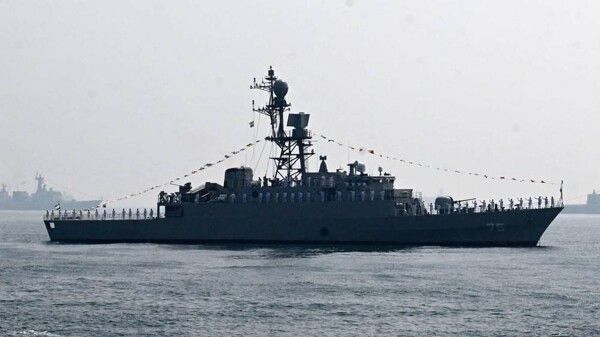
The war between Israel and the USA against Iran has caused universal consternation, and no one, except the ayatollahs themselves, knows how many weapons this terrorist regime still has. In all wars, the first victim is always the truth. Geography also plays a crucial role in this war: while Iran, facing the Gulf, has a mountain chain capable of hiding secret missile and drone depots, its neighboring countries only have sand deserts, interrupted by oil facilities, aquifers, high cities, and military bases, making them extremely vulnerable to Iranian attacks. The ayatollahs' (Persian Shiites) strategy of retaliating against all their neighbors (Sunni Arabs) makes sense, at least as a way to pressure the world to halt the offensive against them. The Gulf countries (Saudi Arabia, Kuwait, Qatar, Bahrain, United Arab Emirates) are entirely dependent on desalinated water and 80% of their food consumption, which they import through the Strait of Hormuz, the same passage through which they send their oil and gas to China, India, Japan, and Europe.