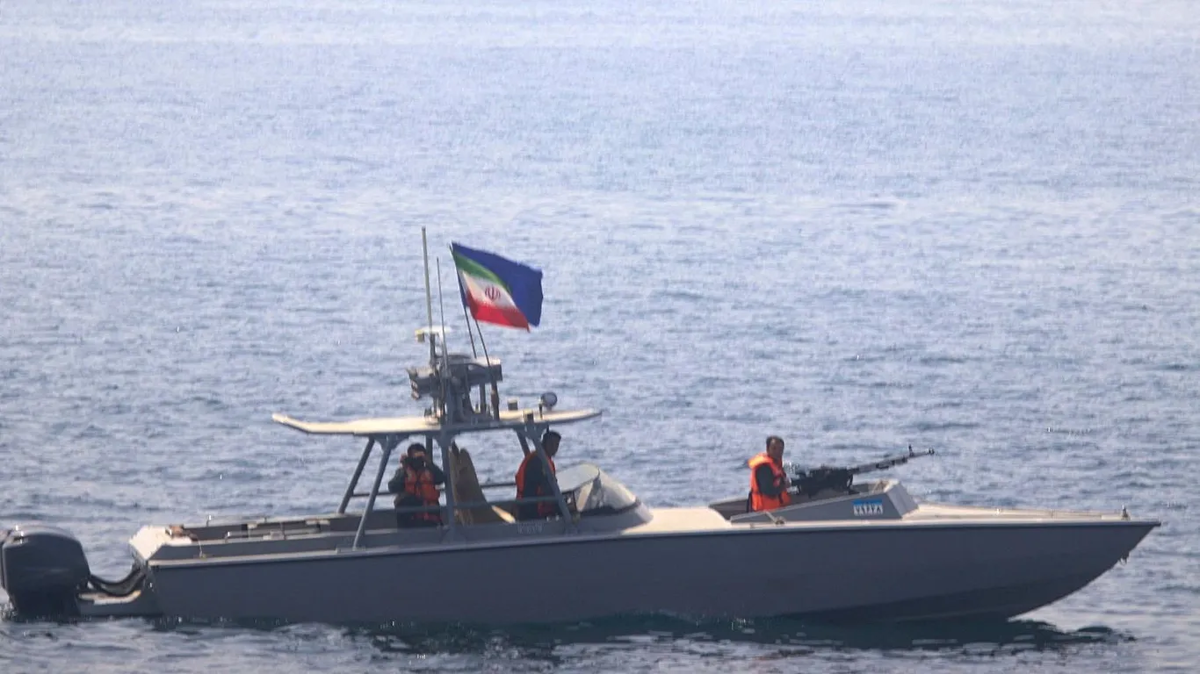
Tehran confirms the seizure of a Marshall Islands-flagged tanker in waters south of the country, marking a new episode of tension around the Strait of Hormuz, one of the main bottlenecks of global energy trade. For many observers, this is a new chapter in the so-called 'tanker war,' a dynamic of actions and reactions that intensified since 2019, with attacks on vessels using limpet mines, drones, and numerous captures of commercial ships in the Gulf of Oman and the Strait of Hormuz itself. Maritime security organizations and specialized study centers warn that each new seizure increases operational risks for shipping companies transiting the area, pushes insurance premiums up, and forces a redesign of routes, sailing times, and onboard protection protocols. Analysts recall that the choice of flag of convenience is common in hydrocarbon transport, but it also adds layers of diplomatic complexity when such incidents occur. The Marshall Islands flag places the ship under the strategic protection of the United States, so its capture is seen as a direct challenge to Washington. Reports indicate that three small armed vessels linked to the Revolutionary Guard approached the hull of the Talara as it was transiting the Gulf of Oman after crossing the Strait of Hormuz, and shortly after, the vessel abruptly changed course towards Iranian territorial waters. From the United States, Defense officials confirmed that the seizure took place on Friday and that a US Navy surveillance drone closely monitored the incident's development. Furthermore, this is part of Iran's escalation to control maritime traffic in the Gulf and pressure the West on the regional and energy fronts. Tehran frames the seizure as the protection of its 'national interests and resources' and claims the cargo violated internal provisions. Buenos Aires, November 15, 2025 – Total News Agency-TNA – The Islamic Revolutionary Guard Corps (IRGC) confirmed the seizure of a Marshall Islands-flagged tanker in waters south of the country, in a new episode of tension around the Strait of Hormuz, one of the main bottlenecks of global energy trade. In recent years, Iran has been accused of attacking or capturing ships of Greek, Portuguese, and other national flags, sometimes as an indirect response to sanctions or the immobilization of Iranian cargo by the United States and its allies. In parallel, the US Navy and European partners have reinforced their presence in the gulf to try to deter new incidents, while tension persists over the Iranian nuclear program and recent clashes with Israel. With the official confirmation of the Talara's seizure, a new diplomatic chapter is now opening, which could involve not only Iran and the United States, but also the countries linked to the ship's flag and ownership, as well as the states of origin and destination of the cargo. The vessel, identified as the Talara, was sailing from Ajman, in the United Arab Emirates, to Singapore when it was intercepted by Iranian naval units and diverted towards the Makran coast. According to the statement released by the naval branch of the Revolutionary Guard, the operation was carried out 'in compliance with a judicial order' after detecting alleged 'violations' related to the cargo. No injuries or immediate damage were reported on board the Talara. The tanker sails under the Marshall Islands flag, is managed by Columbia Shipmanagement, and is reportedly owned by Greek interests based in Cyprus, according to maritime records consulted by tracking companies. Tehran maintains that the tanker was carrying about 30,000 tons of 'unauthorized' petrochemical products to Singapore, and that both the vessel and the cargo were at the disposal of judicial authorities for a complete review of the documentation. Reports from British maritime security organizations and private sector companies described the maneuver as a 'state-level' action. Washington expressed concern for the crew's safety and for the impact of such actions on freedom of navigation in a route through which about one-fifth of the world's seaborne oil is transported. Meanwhile, the episode once again places the Strait of Hormuz at the center of concerns about global energy security at a time of high geopolitical volatility in the Middle East. Companies are urged to strengthen the measures outlined in international best practice guidelines (BMP5), coordinate closely with insurers and military authorities in the area, and provide for specific contractual clauses for forced diversion or prolonged delay scenarios. The regional context remains marked by strong instability.