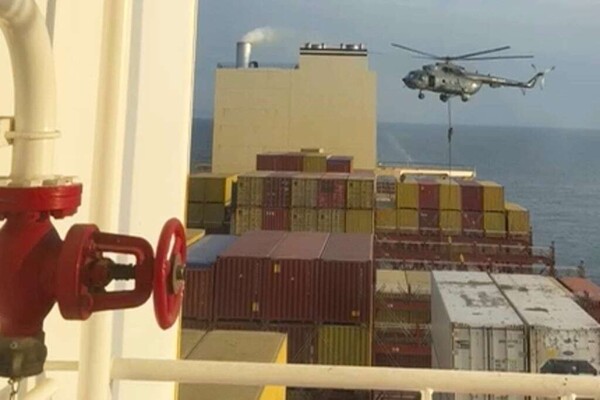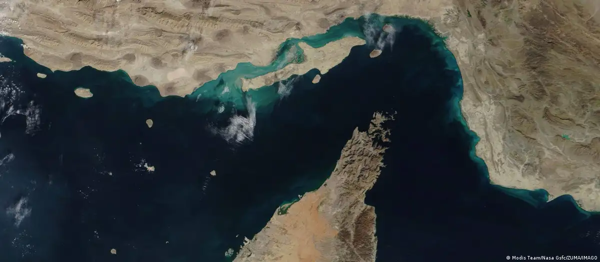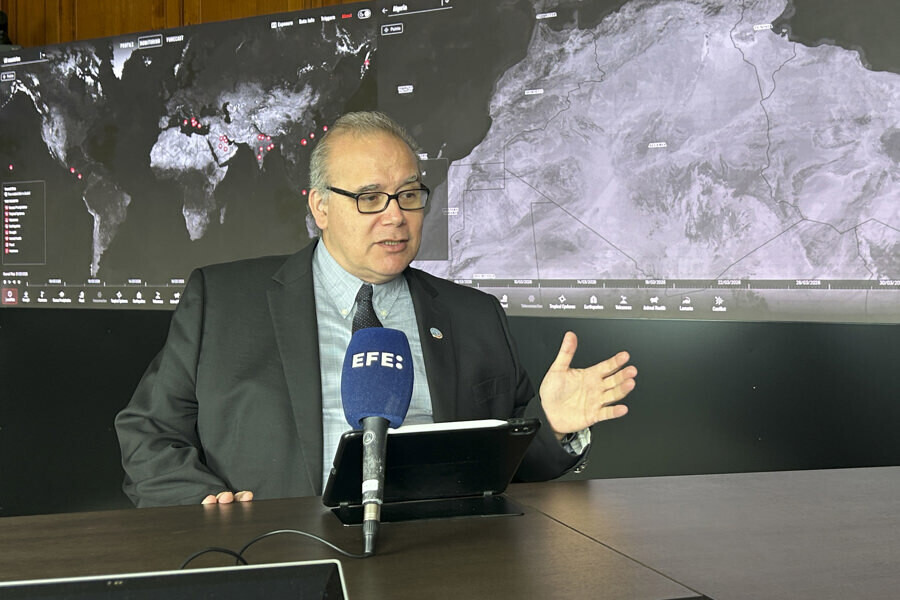
The near-total closure of the Strait of Hormuz could trigger an economic crisis more severe than the one caused by COVID-19 if the situation lasts for more than two months, due to the 'domino effect' of rising food prices, warns the FAO's Chief Economist, Peruvian Máximo Torero.
«If the Strait of Hormuz remains closed for another 30 to 60 days, the consequences for food production and prices could be more serious than the crisis experienced during the COVID-19 pandemic if we are not careful,» Torero stated in an interview with EFE in Rome, at the headquarters of the United Nations Food and Agriculture Organization (FAO).
The Middle East conflict, and in particular, Iran's 'de facto' blockade of the Strait of Hormuz, is already affecting food prices because 35% of the world's oil, between 20% and 30% of all fertilizers, 20% of natural gas, and 45% of sulfur pass through this strategic chokepoint. These are essential inputs for agriculture and food production.
A 2.4% increase in March The latest FAO Food Price Index, released this Friday, averaged 128.5 points in March, a 2.4% increase from February and a 1% rise from the same month in 2025. In the first month of the conflict, fertilizers have risen by 50%, with consequences for countries in their planting season that are forced to buy more expensive supplies: this is the case for Bangladesh, India, and Sri Lanka in Asia; and Sudan and Kenya in Africa.
According to the FAO, these are the countries of 'highest emergency' at the present moment due to the rise in fertilizer prices. But if the conflict is prolonged, the consequences will begin to affect major food exporters such as Brazil, Argentina, the United States, or Australia. Their productive sectors, facing rising prices and current low margins, will have to make decisions.
«These are countries that do mark the world's food supply,» the senior FAO official emphasizes, warning that decisions like cultivating the same amount with fewer inputs, planting less, or switching to less intensive crops are factors whose effects on prices will be felt in the middle and end of this year.
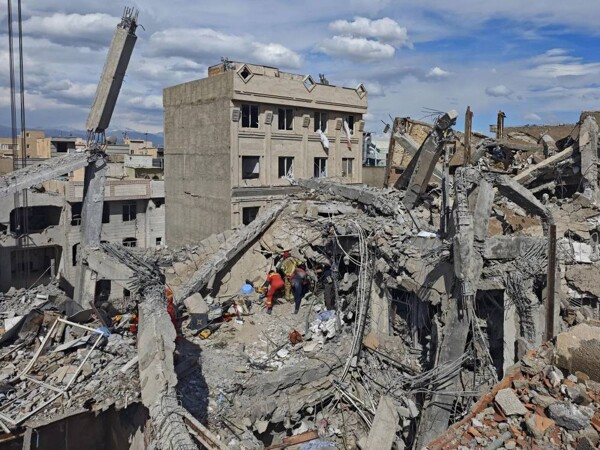
Attacks on power and desalination plants Added to the closure of Hormuz are other worrying factors such as attacks on power and desalination plants, which Torero recalls will cause economic recovery to be slower if the conflict persists.
«And the solution in this case is to open the Strait of Hormuz,» he urges.
Lessons can also be drawn from this crisis, including the advantage that the global energy mix has diversified in recent times: «Ten years ago, the impact would have been much greater.» In his opinion, it is necessary to increase resilience and diversify sources, also in the case of fertilizers: «It is time to invest in sustainable agriculture with different sources of energy and inputs,» concludes the FAO's Chief Economist.
Photo EFE
The FAO alerts to a 'domino effect' in the price crisis due to the situation in Hormuz
Another variable is the disappearance of food demand from Gulf countries, major importers. If the conflict, which began with attacks by Israel and the United States on Iran on February 28, lasts for more than 60 days, it will affect the productivity of the following year: «The more countries fall into this cascade, the worse the situation will be for next year,» the FAO expert summarizes.
Although producers are the first to feel the effects of the war, the FAO's Chief Economist warns that citizens will notice it in their wallets by the end of the year. «We do not realize the magnitude of what this could be,» Torero indicates, however, he advocates not to panic or generate uncertainty. «There are food reserves. But there is a problem with input costs that must be solved quickly.»