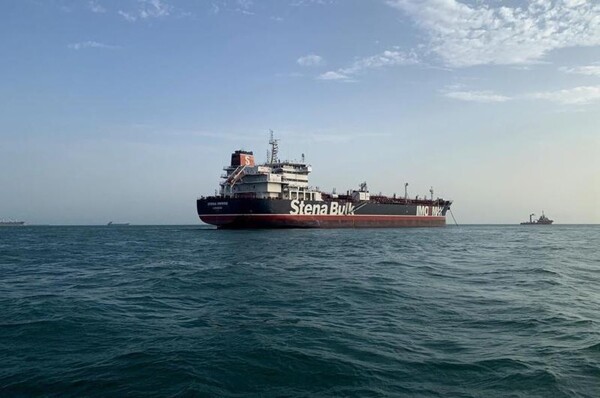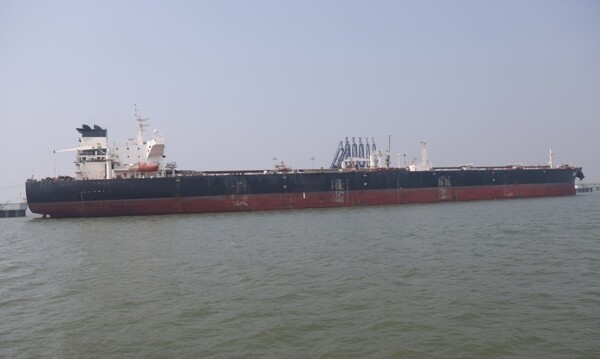
Bottlenecks in international transport caused by the war in Iran and the blockade of the Strait of Hormuz are affecting the shipment of around 70,000 tons of food to countries in a humanitarian crisis, the United Nations World Food Programme (WFP) warned on Tuesday.
«This is the most significant disruption to the supply chain we have seen since COVID and the war in Ukraine,» WFP logistics director Corinne Fleischer said at a press conference.
Although the WFP does not send food to the Gulf countries most affected by the blockade in the Strait of Hormuz, nor from them to other areas, the agency has been affected by the domino effect, Fleischer explained.
«Congestion at ports restricts container capacity,» she noted, and predicted that the effects could continue even after the war ends, recalling that during the COVID crisis it took about five months to stabilize maritime traffic when the pandemic subsided.
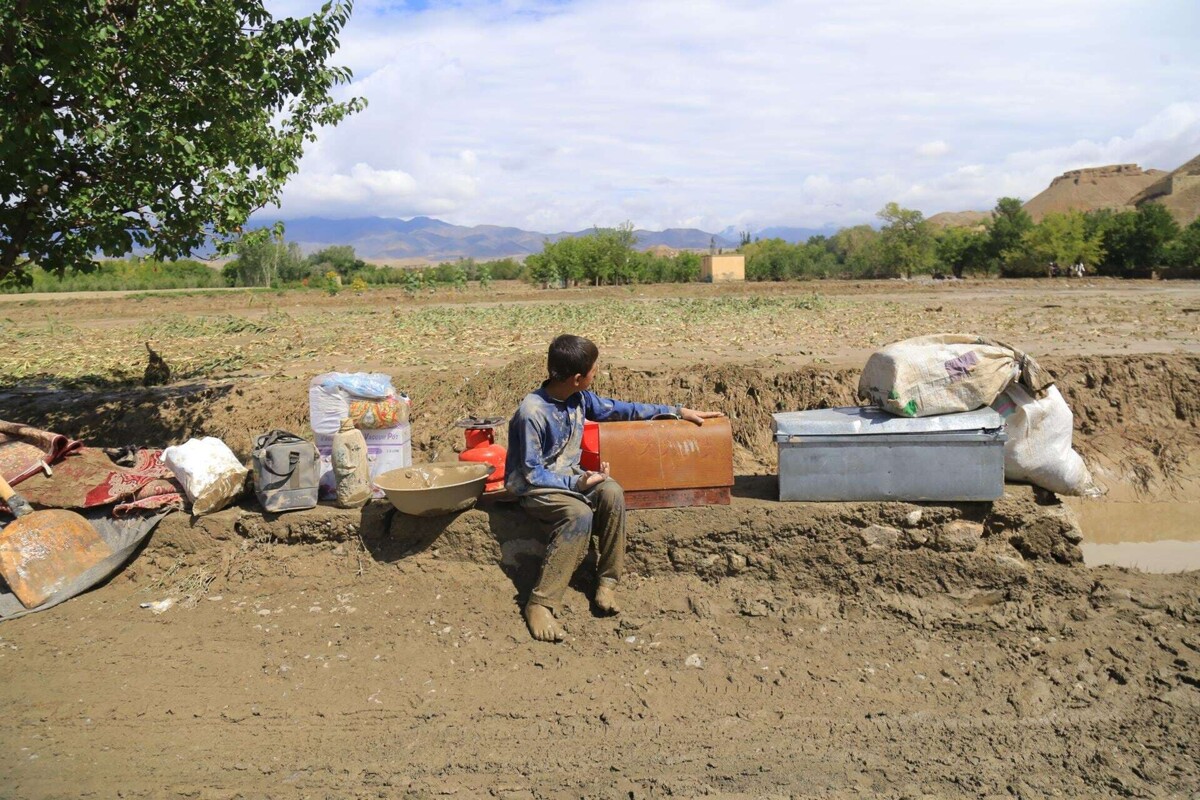
One of the WFP's most affected operations is the delivery of aid to Afghanistan, where about 17 million people suffer from food insecurity, the agency's representative said.
«We get most of our supplies from Pakistan, but with the start of the war between the two countries, we redirected the cargo to go through Iran, and we were in the process when the war broke out,» she explained.
Now, food shipments to Afghanistan must undertake a long road journey from Dubai, where they are sent by the WFP, by road through Saudi Arabia, Jordan, Syria, Turkey, Azerbaijan, and Turkmenistan.
«That adds about a thousand euros per tonne and practically three weeks more, although it has allowed us to test an alternative land route if the situation drags on,» Fleischer explained.