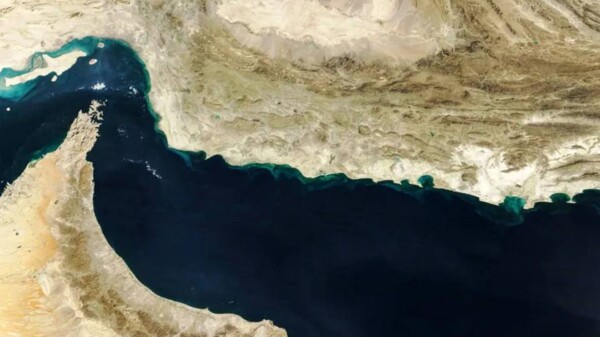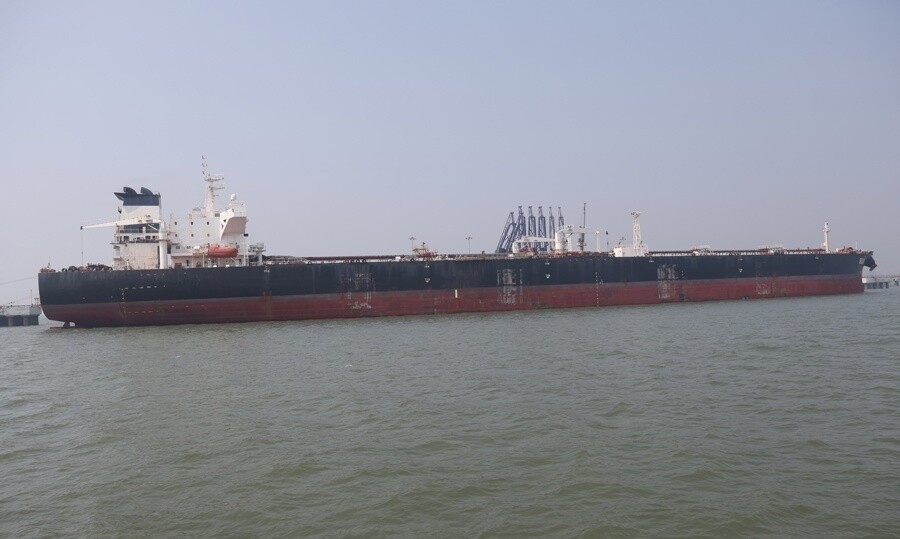
The Iranian Parliament's National Security Commission has approved a bill that establishes tolls for passage through the Strait of Hormuz, through which 20% of the world's oil circulates, and prohibits the transit of ships from the United States and Israel, reported the Fars agency. The text does not detail the amount of the tolls, but the Tasnim agency, linked to the Revolutionary Guard, stated that it could be a payment of two million dollars per ship or a system based on the cargo of each vessel, similar to the Suez Canal. Tasnim estimates that the Islamic Republic could obtain about 100 billion dollars annually through these tolls, an amount greater than its oil sales revenues, which are estimated at about 80 billion. The new legislation must be approved by Parliament and later by the Guardian Council, the body that vetoes the decisions of the lower house, to come into force. The project consists of four parts: maritime security; collection of fees for environmental pollution; fees for pilotage services; and the creation of a fund for regional development. The Islamic Republic has kept the Strait of Hormuz blocked for its enemies since the beginning of the war launched by the United States and Israel on February 28. Tehran is allowing the passage of tankers from countries it considers friendly, such as Thailand or India. Data from S&P Global Market Intelligence indicates that in the last month about 150 ships have transited the strait, whereas before the war that number of ships passed daily. This closure has raised the price of oil as the strait is key to global energy trade, which is why the President of the United States, Donald Trump, has demanded that Iran reopen the passage, something the Persian country has refused to do so far.