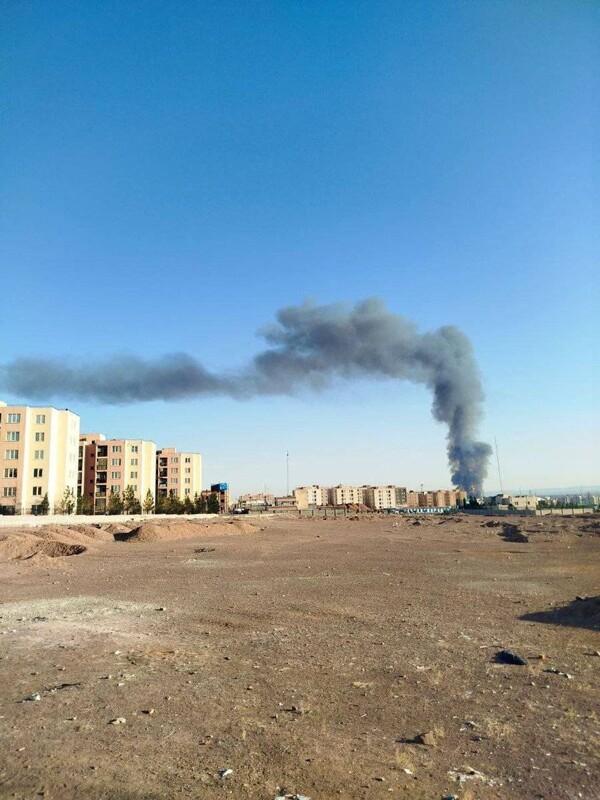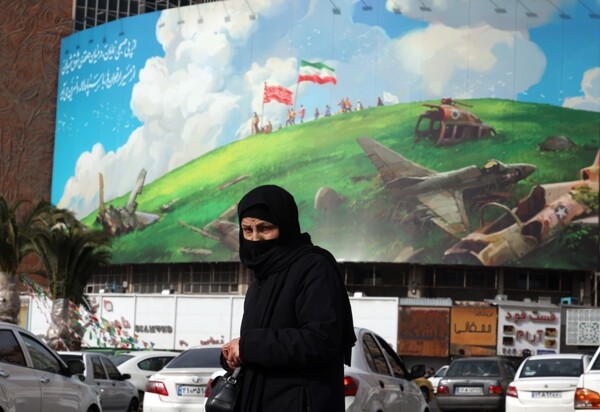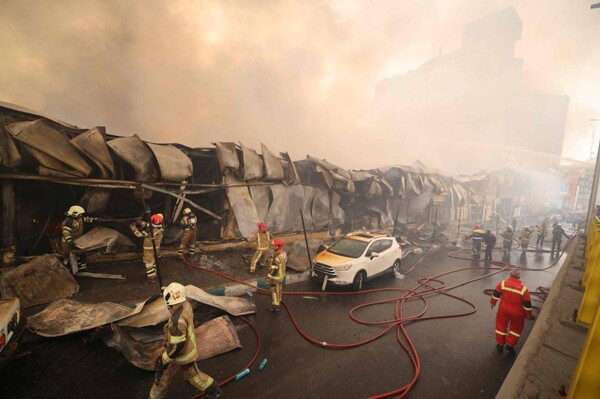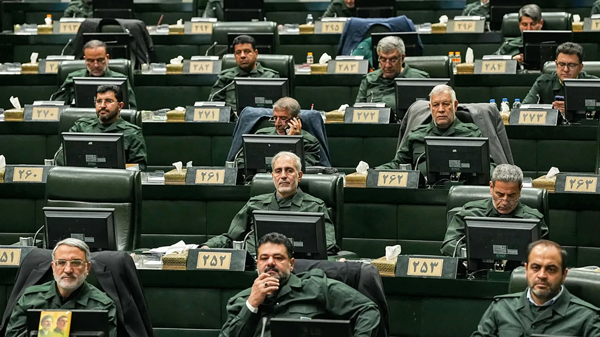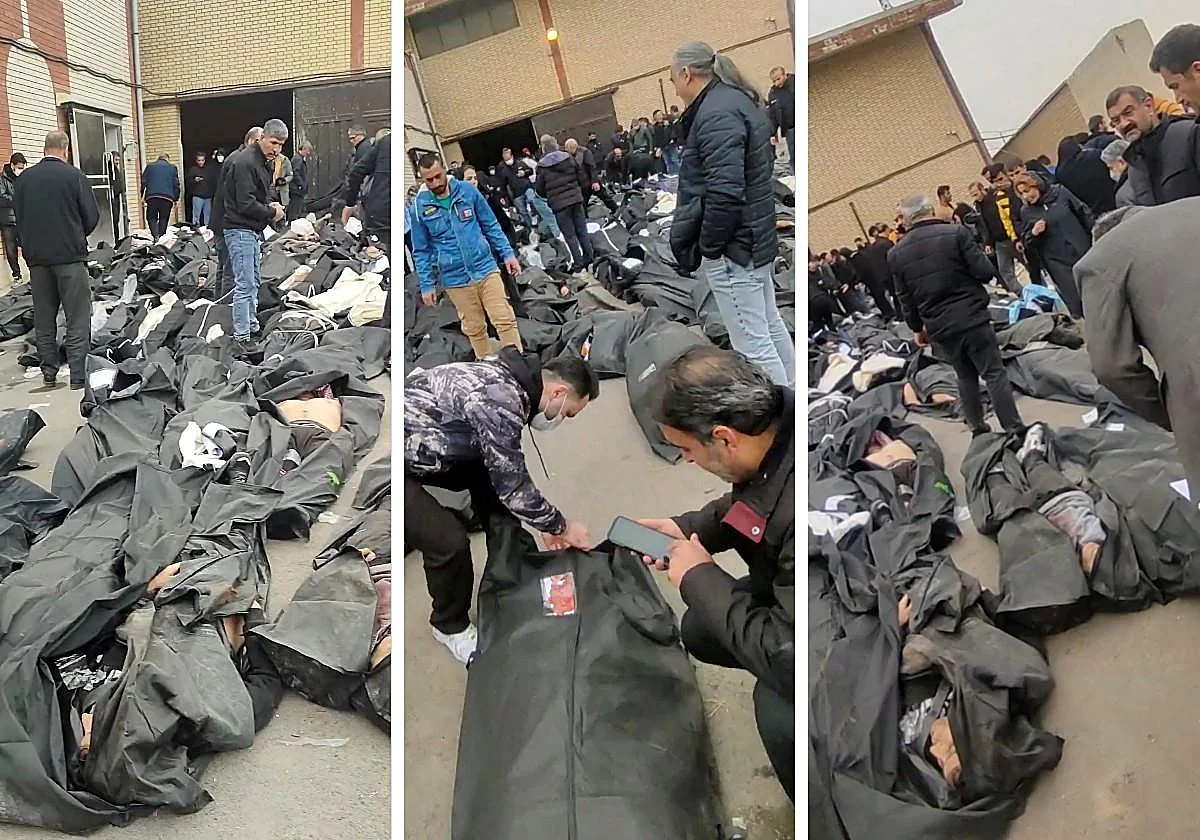
Tehran, January 12, 2026 – Total News Agency (TNA) – The first images emerging after weeks of a severe information blackout in Iran have confirmed what various human rights organizations had denounced: a brutal repression by the clerical regime against mass protests across the country. According to reports from activists and international groups, the death toll has exceeded 500 and thousands have been detained since late December 2025. Several of those killed are children, and at least 37 security agents, either from the Army or the Police, according to the latest report from the NGO HRANA, which specializes in monitoring Human Rights in the Islamic Republic. Verified videos and photographs, including those disseminated by media outlets like Reuters, show numerous bodies in body bags stacked outside the Kahrizak Forensic Medical Center in Tehran. These images match testimonies shared on social networks despite the near-total censorship of the internet and telephone communications imposed by the Iranian government. In parallel, the President of the Parliament affirmed that “if the United States attacks, the occupied territories and all U.S. bases will be legitimate targets,” a message that aggravates regional tension and fuels the perception of an internal crisis transforming into an international one. The restricted access to the internet and communications has forced most reliable information to come from human rights and exile organizations, independent analysts, and testimonies from citizens using satellite connection services or alternative platforms. Security forces have resorted to live ammunition and lethal tactics to disperse protesters, who initially took to the streets due to the worsening economic conditions and the devaluation of the rial, but who quickly turned their demands into political claims and an open rejection of the leadership of Supreme Leader Ayatollah Ali Khamenei. Organizations like Amnesty International and Human Rights Watch had previously denounced that security forces have used lethal force, tear gas, beatings, and arbitrary detentions to quell the protests, which spread across numerous provinces and cities, including the capital and Mashhad. The reports from these organizations agree that, in addition to the dead, there is a significant number of injured, including minors, and thousands of detainees who face torture or arbitrary conditions while awaiting trial. Amidst this climate of violence, the regime has intensified its official discourse pointing to foreign powers as instigators of the unrest, accusations reflected in the coverage of Iranian state media, which deny responsibility for the deaths and label the protesters as “armed terrorists.” Despite this, the image being constructed is that of a disproportionate state response to a protest movement that was born out of economic demands and evolved into a broader call for political change. In this context, exiled figures like Reza Pahlavi, son of the last Shah deposed in 1979, have reaffirmed their willingness to lead a democratic transition in Iran and have called on the international community to support the Iranian people in their struggle for freedom and justice, a position that resonates in sectors of the diaspora and sympathizers of profound political change in the country. The international community is beginning to react to the severity of the crisis: European leaders have asked Iranians to “maintain their demands,” while human rights organizations have requested an urgent diplomatic response to stop the bloodshed and guarantee the protection of civilians. Sources consulted: Reuters; Human Rights Activists in Iran (HRANA); The Guardian; Reuters via informational alliances; Amnesty International; Human Rights Watch; international media monitoring protests in the Middle East. The information blackout, established to curb the dissemination of on-the-ground facts, made it difficult for weeks to access independent, precise data, but visual evidence began to circulate through alternative channels and satellite services. The organization Human Rights Activists in Iran (HRANA), based in the United States, raised its estimate and assured that at least 490 protesters and 48 members of the security forces have died in two weeks of protests*, in addition to reporting more than 10,600 detentions across the country, figures that have not been confirmed by Iranian authorities. Although official data has not been published, the volume of testimonies and visual material that manages to filter through reveals a pattern of systematic violence.