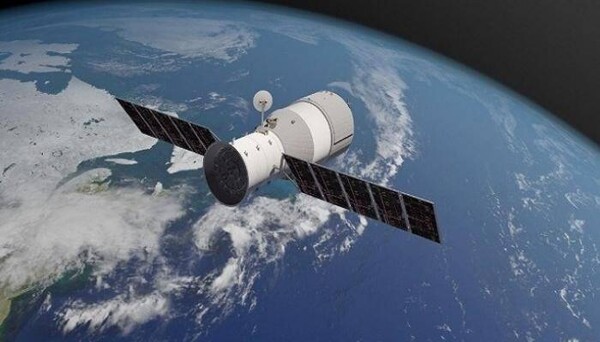
Iran secretly acquired a Chinese spy satellite at the end of 2024, giving it a new and significant capability to identify and attack U.S. military bases in the current war. According to leaked Iranian military documents reviewed by the Financial Times, the Chinese TEE-01B satellite was received by the Islamic Revolutionary Guard Corps' Aerospace Force in late 2024 following its launch from China. Once operational, it was used to monitor key U.S. military installations. This news comes after threats from Donald Trump for China not to provide weapons to Iran. China, Iran's main trading partner and one of its most influential allies, has condemned the war since the U.S. and Israel's offensive against Iran on February 28. However, both Tehran and Beijing have avoided commenting on the alleged support the Asian giant might be providing to its Persian ally. The Financial Times analyzed images taken by the satellite in March, before and after attacks on locations in Saudi Arabia, Jordan, Bahrain, Kuwait, Oman, and Iraq, which coincided with surveillance activities around the dates of bombings claimed by Iran against installations in those countries. Most Middle Eastern countries hosting U.S. military bases and sharing interests with Washington and allied nations have been targets of Iranian attacks since the war began. Many also have close ties with China, which mediated the restoration of diplomatic ties between Iran and Saudi Arabia in 2023. The TEE-01B is capable of capturing images with a resolution of about half a meter, comparable to high-resolution Western satellite records available commercially. This acquisition, according to the Financial Times, represents a significant improvement in Iran's national capabilities, as it would allow it to improve the identification of aircraft, vehicles, and changes in infrastructure. Chinese President Xi Jinping on Tuesday called for a "comprehensive and durable" ceasefire in the Middle East during a meeting in Beijing with the Crown Prince of Abu Dhabi, Khaled bin Mohamed bin Zayed Al Nahyan, amid escalating tensions in the region due to the crisis in the Strait of Hormuz.

Iran Secretly Acquired Chinese Spy Satellite
According to the Financial Times, Iran received the Chinese TEE-01B satellite at the end of 2024, which is used to monitor U.S. military bases in the region. This acquisition has significantly enhanced Iran's capabilities during the ongoing war, despite threats from Donald Trump and China's caution.