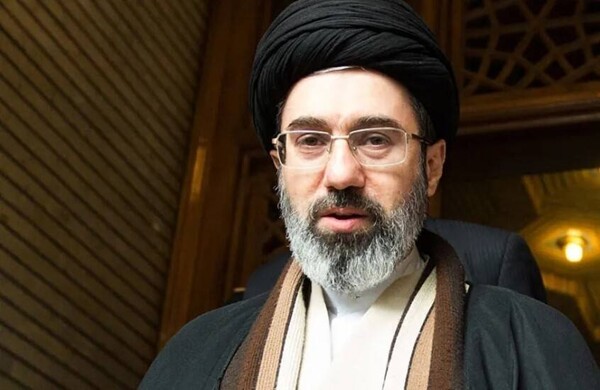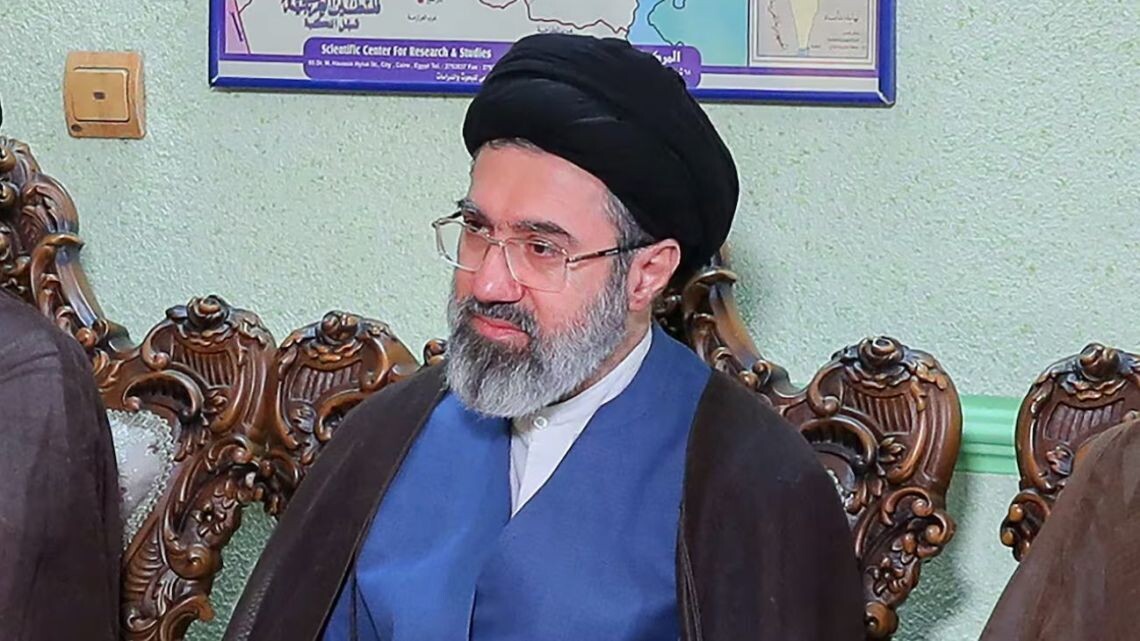
Iranian officials maintain that any public communication — even a written message or recording — could reveal clues about their location at a time when the regime's leadership considers itself under a direct threat. The designation of Mojtaba Khamenei as the new Supreme Leader occurred days after the death of Ali Khamenei, which took place during the first wave of attacks that began the current war in the Middle East. However, sources close to the Iranian government indicated that the leader is conscious, under protection in a high-security facility, with limited ability to communicate externally. According to these accounts, the new leader's absence from public view is explained not only by his physical recovery but also by security reasons. Within Iran's power circle, they insist he is protected, conscious, and capable of exercising leadership, albeit with severe security restrictions. Uncertainty about his actual condition and prolonged public absence fuel questions about the regime's internal stability at a particularly delicate moment for Iran, which is facing an open war with Israel and growing military pressure from the United States in the region. Sources consulted: Reuters, The New York Times, AFP, Al Jazeera, Iranian official media. The appointment of the late ayatollah's son was interpreted by numerous analysts as a decision aimed at preserving power continuity within the religious and political core that leads the Islamic Republic. In parallel, various media and organizations close to the regime began to refer to the new leader as the “wounded war veteran,” a phrase intended to reinforce his image within Iran's political apparatus amid the regional conflict. The situation remains shrouded in secrecy. Since his designation, Mojtaba Khamenei has not made a public appearance nor issued official statements, an unusual situation for the country's top political and religious authority. Jerusalem - March 11, 2026 - Total News Agency - TNA - Iran's new Supreme Leader, Mojtaba Khamenei, remains injured but “safe,” according to statements by Iranian officials and international media amid growing questions about his public absence since being named his father's successor, the late ayatollah Ali Khamenei. The most direct confirmation came from Yusef Pezeshkian, son of Iranian President Masoud Pezeshkian and also a government advisor, who stated he had consulted with contacts with access to sensitive information who confirmed that Mojtaba Khamenei is “safe and sound,” despite having been wounded during the war. According to reports attributed to Iranian and Israeli officials, the 56-year-old new Supreme Leader was reportedly injured on February 28, during the first day of the U.S. and Israel offensive against Iran, the same attack in which his father died. The most widely circulated versions indicate that the injuries are concentrated mainly in the legs, although to date there is no official medical report nor recent images that allow for an accurate assessment of his health status. The lack of public appearances has generated numerous speculations both inside and outside Iran.