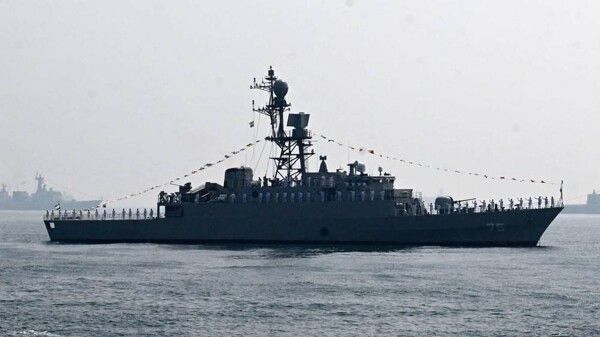
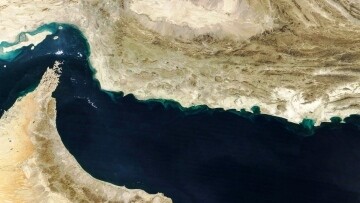
Iran warned on Wednesday that it could attack Israeli diplomatic representations in various countries if Tel Aviv bombs its diplomatic mission in Lebanon. The Iranian government stated it does not seek conflicts with other states but reserved the right to retaliate against Israeli missions outside the immediate theater of operations. This introduces an additional risk element for countries hosting Israeli embassies and consulates, necessitating enhanced security measures, police coordination, and protection protocols for sensitive facilities. This threat has been incorporated into the broader escalation picture, reinforcing the perception that the conflict extends beyond Iran, Israel, and their immediate areas. In this context, the explicit threat against Israeli diplomatic missions abroad adds a particularly sensitive factor due to its potential for expansion and impact on the security of civilians and officials in third countries. The Iranian regime, which maintains political and operational ties with Hezbollah, also warned it would expand its response if it deems its diplomatic interests or personnel in Lebanon to be under threat. Concurrently, Iranian officials insisted on rejecting negotiations with the United States under current conditions, indicating the country is preparing for a prolonged confrontation. The possibility of incidents at diplomatic premises—due to their symbolic weight and international legal status—typically triggers rapid preventive responses, from security reinforcements to travel advisories and intelligence coordination with allied nations. So far, there have been no official reports of embassy closures or evacuations, but the alert level rises with each new direct transnational threat. In recent days, Hezbollah's military activity and Israeli responses have increased pressure on Beirut and other areas of the country, with reports of casualties and damage adding to the regional instability. Diplomatic tension is also mounting in capitals that, without direct involvement in the conflict, may be forced to manage alerts, controls, and contingency scenarios in the event of potential incidents. This warning comes as the Lebanese front sees a resurgence in violence. It is recalled that in 1992, Iran attacked the Israeli embassy in Buenos Aires. The threat, attributed to statements by the Tasnim agency, emerged on the fifth day of the joint US-Israeli offensive against military, command, and strategic targets in Iranian territory. General Abolfazl Shekarchi, spokesman for the Iranian Armed Forces, affirmed that if the Tehran mission in Beirut is attacked, all Israeli embassies and missions would become 'legitimate targets' within the regional military escalation. At sea, search and rescue operations were conducted off Sri Lanka following the sinking of an Iranian warship, an incident US authorities attributed to a US submarine attack, which reportedly left dozens dead and missing according to local reports. Jerusalem - March 4, 2026 - Total News Agency - TNA - The Iranian regime issued a global warning on Wednesday, stating it could attack Israeli diplomatic representations in various countries if Tel Aviv bombs Iran's diplomatic headquarters in Lebanon. On the US side, the Donald Trump administration reaffirmed that operations would continue, while the Pentagon cited the degradation of Iranian strategic capabilities, including ballistic systems and defense structures, as a central objective. In the energy and economic sphere, the escalation sustains concern over its impact on maritime routes and supply chains. In this context, local humanitarian sources reported a sharp increase in casualties and damage across various regions, while uncertainty remains over the final toll amid ongoing operations and information restrictions. In his message, Shekarchi maintained that Iran has opted for 'containment' due to international considerations and respect for its relations with other countries, but warned this stance would have limits if an Iranian diplomatic headquarters in Lebanon were attacked. The Strait of Hormuz, a critical passage for global hydrocarbon trade, remains under intense scrutiny from markets and governments due to the risk of disruptions and price volatility associated with any incident in the region.

Iran Threatens to Attack Israeli Embassies Worldwide
The Iranian government issued a global warning, stating that if its diplomatic mission in Lebanon is bombed, all Israeli embassies abroad could become 'legitimate targets'. This creates a serious security risk for third countries and an escalation of the regional conflict.