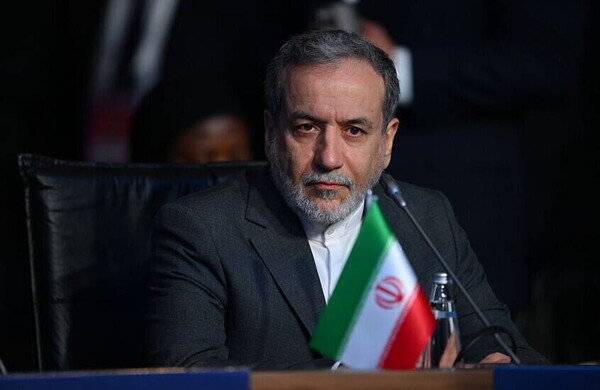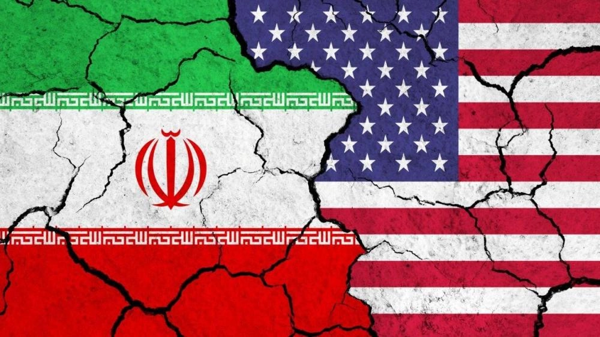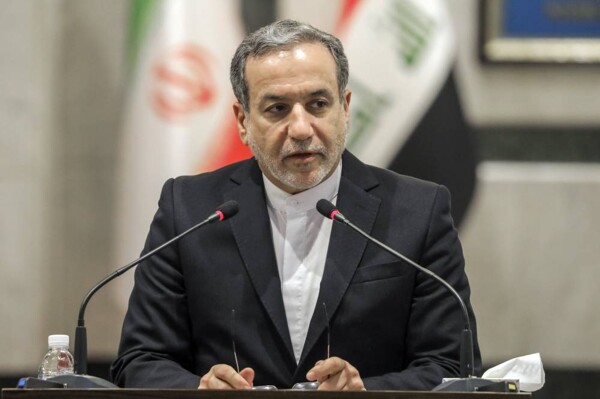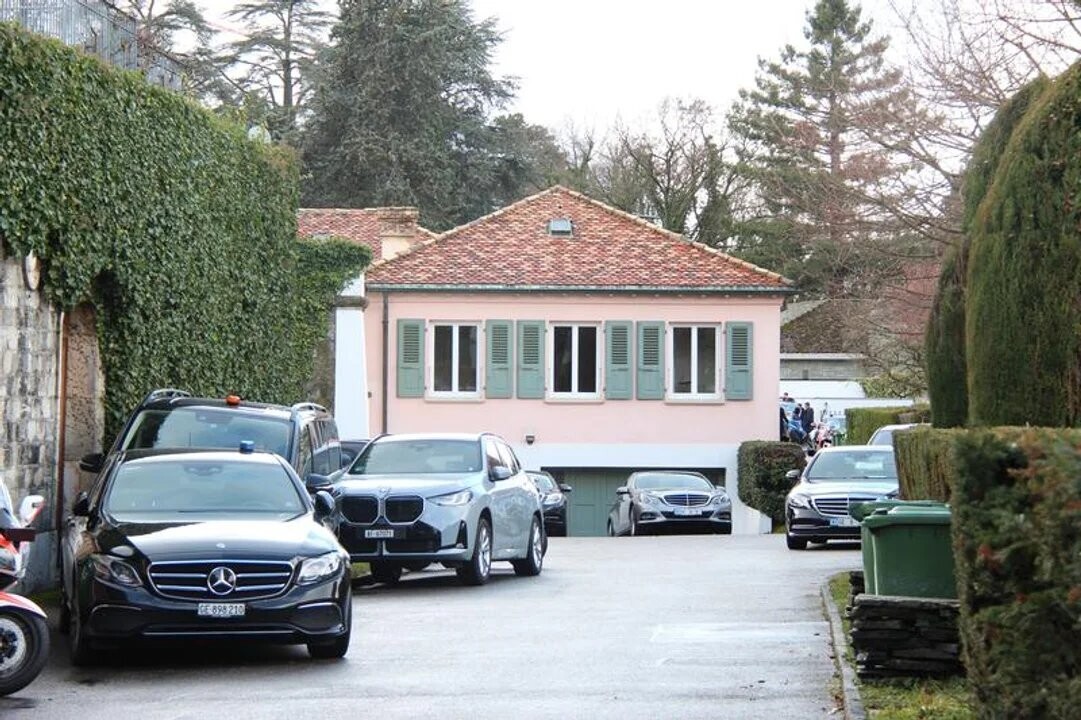
China is closely following the evolution of the situation in Iran and opposes the use or threat of the use of force in international relations, stated today the spokesperson for the Chinese Ministry of Foreign Affairs, Mao Ning. China has always advocated for resolving problems through political and diplomatic means, Mao said at a regular press conference after being consulted about the growing tension between that Asian country and the United States. The peoples of China and Iran have a long tradition of friendship: Beijing 'supports the Iranian government and people in protecting their national stability and legitimate rights and interests,' added Mao. 'China hopes that all parties will value peace, act with moderation, and resolve differences through dialogue.' However, if an agreement is reached, the White House would seek subsequent negotiations on Iran's missile program and its support for proxy militias, according to the report. Under the 2015 nuclear deal reached during Barack Obama's presidency, most of the restrictions on Iran's nuclear program were set to expire between eight and 25 years after the agreement was signed. Iran also committed to never developing a nuclear weapon; meanwhile, President Donald Trump, who abandoned the 2015 deal, might accept 'symbolic' enrichment if Tehran demonstrates that it will not allow the development of a nuclear weapon, the report noted. The document cites U.S. officials who indicated that Iran is currently under significant pressure from mediators such as Egypt, Oman, Qatar, and Turkey to move towards an agreement with the United States to prevent war. The Expectation of Pezeshkian The President of Iran, Masoud Pezeshkian, awaited these talks with the United States with 'good prospects.' The head of state affirmed this in a meeting in the northern province of Mazandaran when speaking about the third round of nuclear negotiations, which were led by the Iranian Foreign Minister, Seyed Abbas Araghchi, and the U.S. President's special envoy, Witkoff. Pezeshkian expressed the hope that the diplomatic process would be handled in a way that would take the country out of the situation of 'no war, no peace.' He added that his administration was striving for that goal under the guidance of Iran's Supreme Leader, Ali Khamenei. He mentioned that if the talks generate favorable results, his administration will be in a better position to remove obstacles for the country's development more easily. 'Whether we reach an agreement or not, our premise is: they must behave properly for the rest of their lives,' Witkoff stated in a private meeting held on Tuesday in Washington D.C., as cited. Witkoff pointed out that two key issues in the current nuclear negotiations are Iran's capacity for uranium enrichment and the fate of its existing stockpiles of enriched uranium. He added that the negotiations are currently focused on Iran's nuclear program. Tensions remained high between the two countries following the increase in U.S. military presence in the West Asian region. In a post on social media X on Tuesday, Araghchi hinted that his country would resume talks with the United States with the determination to achieve a 'fair and equitable' agreement in the shortest possible time. The third round of indirect nuclear negotiations between Iran and the United States, under the mediation of Oman, took place this Thursday in the Swiss city of Geneva within the framework of an 'unprecedented opening.' The delegations of these countries showed 'an unprecedented openness to new and creative ideas and solutions' in the last round of indirect nuclear negotiations held this Thursday, anticipated the Omani Ministry of Foreign Affairs in a statement published on X. This new round of talks took place in a context of growing tensions between Tehran and Washington after the increase in the U.S. military deployment in West Asia, so the world is awaiting its results. The previous two rounds of negotiations were also held this February in the Omani capital, Muscat, and Geneva, respectively, points out the Xinhua report handled by the Argentine News Agency.