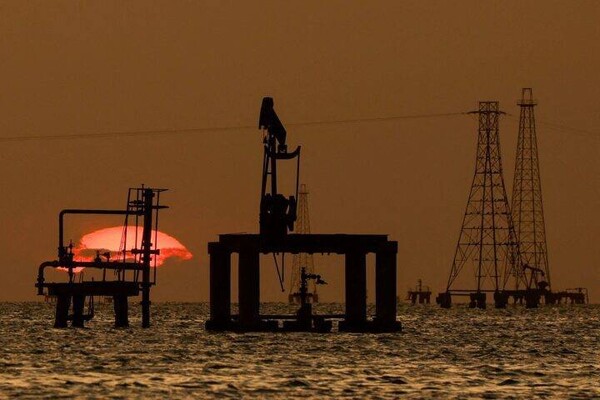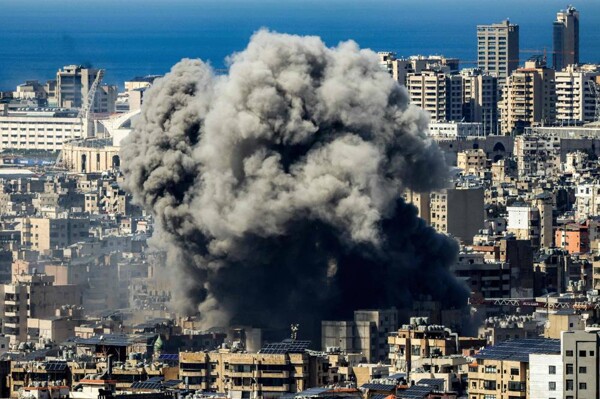
The severity of this war lies not only in the scale of military operations, but also in the position of the Arab Gulf states and Iran on the global energy map. Today, amidst the ongoing events in the Middle East and the Gulf region, and the accompanying disruptions to energy flows and threats to navigation in the Strait of Hormuz, the global economy is once again facing a highly sensitive test. This crisis affects the most vital nerves of the world: oil, gas, trade, inflation, and financial markets. In fact, the 2008 crisis alone was not enough to remind the world that major shocks do not always begin from within the economy itself, but can come from geopolitics. The Strait of Hormuz remains one of the most strategic passages for oil transportation.